Cervical Cancer: Signs & Symptoms, Treatment & Prevention
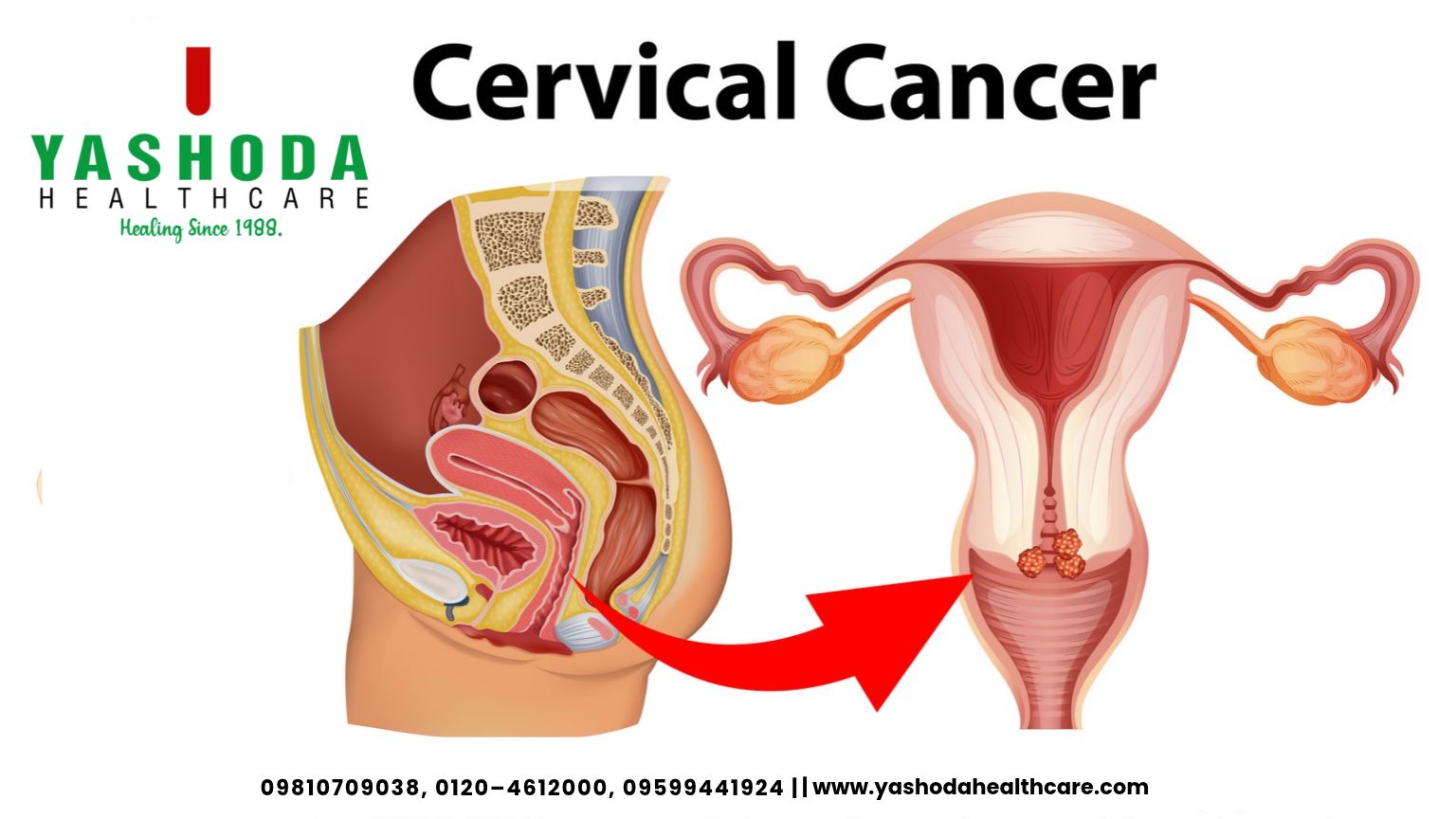
Cervical cancer happens when cancerous cells multiply in the cervix. The cervix is at the lower, narrow end of the uterus that acts as a connector to the vagina. Before cancer develops, the cells of the cervix begin to undergo changes (dysplasia). Abnormal cells begin to appear in the cervical tissue and, if not removed or destroyed in time, they may grow to become cancerous and spread deeper into the cervix and surrounding areas.
The cervix has two main parts:
i. The ectocervix, which is the outer part of the cervix that can be seen during a gynaecologic exam. It is covered with thin, flat cells called squamous cells.
ii. The endocervix, which is the inner part of the cervix that forms the canal connecting it with the vagina. It is covered with column-shaped glandular cells that make the mucus.
Types of Cervical Cancer
There are two types of cervical cancer, based on where the cancer starts and develops in the cervix:
- Squamous cell carcinoma: This develops in the ectocervix. About 90% of cervical cancers are squamous cell carcinoma.
- Adenocarcinoma: When cancer cells develop in the glandular cells of the endocervix, it is called adenocarcinoma.
However, at times, cervical cancer has features of both squamous cell carcinoma and adenocarcinoma. They are called mixed carcinoma or adenosquamous carcinoma.
Signs & Symptoms of Cervical Cancer
Cervical cancer is hard to detect in the early stages. Signs and symptoms take time to develop. However, they may appear in the following manner in Stage 1 of cervical cancer:
- Watery or bloody vaginal discharge with foul odour
- Vaginal bleeding post sexual intercourse, between periods or after menopause
- Pain during sex
In case the cancer has spread to nearby tissues or organs, the following symptoms may appear:
- Painful urination or bloody urine
- Diarrhoea or bloody faeces
- Fatigue / loss of weight and appetite
- Dull backache or swelling in legs
- Pelvic and abdominal pain
HPV & Prevention of Cervical Cancer
Most cervical cancers are caused by HPV, which is a sexually transmitted infection. It spreads through sexual contact and can lead to cancer. Most people get HPV at some point in their lives, but since the antibodies fight off this infection, they do not realise it. If the body fails to fight HPV, it is then that it can cause the cells in the cervix to become cancerous.
HPV is a viral infection. There are more than 100 types of human papillomavirus (HPV), which are types of DNA virus. Early detection of HPV can help in the prevention of cervical cancer. Apart from this, there are several preventive measures that one can take to avoid cervical cancer:
- HPV Vaccination: It protects against the virus strains responsible for the majority of cervical cancers. It is routinely recommended for boys and girls aged 9 and above. However, if childhood vaccination has been missed, adults aged 27 to 45 can also benefit from it.
- Routine Screening: Cytology and HPV tests can help detect any precancerous cells in the body, rule out any possibilities, or start treatment if abnormalities have come to light.
- Risk Reduction & Lifestyle Factors: The biggest causes of HPV are lifestyle factors like smoking or unsafe sexual practices. Hence, by using protection during sexual intercourse, quitting tobacco use and building a stronger immune system, the fight against HPV can be easier.
Once symptoms are noticed, immediate medical help should be taken to conduct tests like:
- Punch biopsy: In which a part of the precancerous tissue of the cervix is cut out using a cutting tool with a round top.
- Endocervical curettage: Where the lining of the cervix is scraped with a spoon-shaped tool called a curette to obtain the tissue/cells.
- Loop Electrosurgical Excision Procedure (LEEP): In which an electrical wire loop is used to remove the abnormal cervical tissue.
- Cone biopsy: In which a slightly larger, cone-shaped piece of the tissue is removed for a better examination of the cervix.
These tests, apart from or often coupled with CT scans, MRI, X-rays, blood and urine tests, are conducted to obtain results and analysis of cervical cancer and determine what stage it is in.
Treatment Options for Cervical Cancer
A. Surgery
Different types of surgeries are performed based on the requirement of the patient.
- Laser surgery: In which a laser beam is used to burn off the cancerous tissues and cells.
- Cryosurgery: Where cancer cells are frozen and destroyed.
- Hysterectomy: Which involves complete removal of the uterus and cervix.
- Trachelectomy: In which the cervix is removed along with the upper part of the vagina, but the uterus is left intact.
- Pelvic exenteration: This is the same as a hysterectomy but also includes the bladder, vagina, rectum and part of the colon, depending on where the cancer has spread.
Apart from surgery, other cancer treatment procedures may be carried out:
B. Radiation
External beam radiation therapy aims high-powered radiation at cancer from outside the body, while brachytherapy puts the radiation in or near the cancerous tissue and cells.
C. Chemotherapy
Chemotherapy uses drugs (orally or injected into the veins) to kill cancer cells.
D. Targeted Therapy
Targeted therapy destroys specific cancer cells while not affecting the healthy cells. It works by targeting proteins that control how cancer cells grow and spread in the body.
E. Immunotherapy
Immunotherapy uses drugs to stimulate the immune system to recognise and destroy cancer cells. Cancer cells mimic healthy cells to hide from the immune system. Immunotherapy helps target signals so cancerous cells can’t trick the body.
Best Hospital for Treatment of Cervical Cancer in Delhi NCR(Noida, Ghaziabad)
Yashoda Superspeciality Hospital & Cancer Institutes, Sanjay Nagar, Ghaziabad is one of the best superspeciality cancer institutes and treatment centres in Delhi NCR. The team is decorated with some of the finest professionals in the field of oncology, serving for decades and formerly in the Indian Armed Forces.
Dr. (Brig.) Arvind Kumar Tyagi, Director, Surgical Oncology & Robotic Surgery, comes with more than 35 years of experience and expertise in the field of surgical oncology. Having had an exceptional career in the armed forces, he possesses strong skills and commitment, making him one of our finest assets at the centre.
Dr. Adarsh Kumar comes with an experience of 15 years in the field and is currently practising as a Senior Consultant, Surgical Oncology & Robotic Surgery. He has performed more than 2500 major surgeries in the past three years and comes with an exceptional reputation in handling emergency cases.
For inquiry or bookings, please contact us at: 9810709038, 0120-4612000.