Role of Quitting Tobacco in Preventing Oral Cancers: Can Staying Away From Tobacco Prevent Oral Cancer?
Smoking is a well-known health hazard linked to a series of serious illnesses such as lung disease, heart disease and various types of cancers. Among these, oral cancer is the most common and has the most devastating impact due to constant tobacco use.
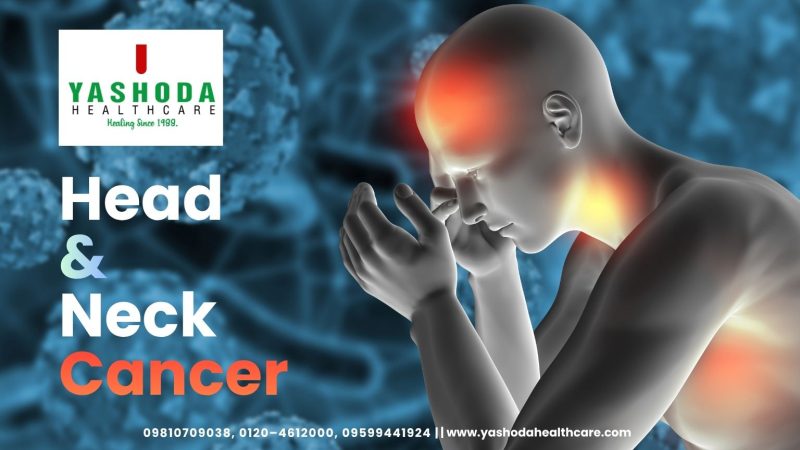
Oral cancer is a type of head and neck cancer in which cancer cells in the tissues of the mouth and throat grow and metastasize. Tobacco smoke contains at least 70 carcinogens (chemicals that can cause cancer) which damage the DNA in cells of the mouth and throat, leading to mutations that can cause cancer.
While smoking is the biggest cause of oral cancer, it is not the only one. And smokers are six times more likely to develop oral cancer than non-smokers. At this point, the biggest question that arises is – Does smoking cessation prevent oral cancer?
Role of Tobacco Cessation in Preventing Oral Cancer
While quitting tobacco does not guarantee eliminating the risk of oral cancer, it does reduce it to significant levels. As per studies, the risk of developing mouth and throat cancer drops by about 50% within 5 years of quitting tobacco. After 10 years, the risk approaches to that of someone who has never smoked. Therefore, the decision of quitting smoking is proven to be beneficial even for longterm smokers.
Tips to Quit Smoking
The most important and foremost step in quitting tobacco is realisation – admitting to yourself that you have an addiction. Once realisation takes place, the need and want for a ‘change’ of life and health dawns upon the person, quitting smoking becomes a much more determined and conscious decision.
- Having a Support System – This starts with first setting a quiet date, deciding consciously on the act of quitting. Clearing your surroundings of any temptations is the next step. Throw away cigarettes, lighters, ashtrays or any such visible stimuli in close proximity or visible range. Tell people around you about the decision you have taken so you can count on their help and support too.
- Use of Medication – Nicotine Replacement Therapy (NRTs) like nicotine patches, gum and lozenges can ease any withdrawal symptoms. Apart from this, prescription medication can be taken after consulting a doctor, if the cravings and withdrawal symptoms get out of hand.
- Keeping Cravings in Check and Mastering Them – Distraction goes a long way. Indulging in habits that may help you keep your mind off things, calling a friend, going for a walk or playing games can help distract you. If it’s an immediate oral craving, keeping your mouth busy is another effective way to avoid cravings. Go for chewing gum, toothpick or candies. Remember the 4 D’s –
• Delay acting for 5-10 minutes
• Take Deep breaths
• Drink water
• Do something else - Changing Your Routine and Triggers – Habitual associations such as accompanying morning tea/coffee with a cigarette or smoking after meals can act as triggers even when you try quitting. In such cases, changing routines in terms of replacing it with a healthier alternative is the best step. Apart from this, limiting alcohol consumption and avoiding smoking zones or hangouts involving tobacco should be practiced.
- Overcoming Relapse – Acknowledging that the long-term quitting decision might be accompanied with occasional relapse is also important. If you light one cigarette, it should not mean that you need to go back to your old habit of regular smoking. It is important to reset and focus on a longer-term goal of ultimately becoming tobacco and nicotine free towards a healthier lifestyle.
While these are very personal changes and habits that one may adapt in his/her journey of becoming tobacco-free, your surroundings – peers, friends and family can play a huge role in helping you in this journey.
- Emotional Support – Quitting a substance can be stressful, especially for long-term smokers. In such circumstances, being patient, supportive and non-judgmental is the best way for parents to support their children fight the cravings and irritable withdrawal symptoms.
- Creating Smoking- Free Environment and Providing Distractions – Along the path of quitting, parents, peers and close friends can be your biggest support-systems for creating smokingfree environments, by having stricter rules, preventing passive smoking or by offering partnership using distractions like cycling, going out or picking up an activity to get your mind off things.
- Tracking Milestones and Celebrating – At home, parents are the support group who can make one feel included, valued and celebrated for taking a step towards a healthier life.
Best Hospital & Doctors for Treating Oral Cancer
Yashoda Superspeciality Hospital & Cancer Institutes in Sanjay Nagar is one of the best hospitals in Delhi NCR for comprehensive medical care. We bring together world-class experts to handle everything from general health issues to complex cancers, all under one roof.
Dr. (Brig.) Arvind Kumar Tyagi, Director of Surgical Oncology and Robotic Cancer Surgery at Yashoda Superspeciality Hospital & Cancer Institutes, Sanjay Nagar comes with over thirty years of clinical experience, serving across various Armed Forces Hospitals all over India. His specialisations lie in head and neck oncosurgery, thoracic oncosurgery, gastrointestinal oncosurgery, etc.
Dr. (Maj. Gen.) B.N. Kapur is one of the best oncologists in Delhi NCR and is the Director of Medical Oncology at Yashoda Hospital, Sanjay Nagar. His specialisations lie in haematolymphoid malignancy, paediatric tumours and solid tumours.
Dr. (Maj. Gen.) Dharmesh S Swaroop is Director of Medical Oncology and comes with over thirty years of experience in the field. With specialisation like gynaecological malignancies, GI malignancies and malignancies of breast, he is known to combine his clinical expertise with patient-centric approach.
For appointments or bookings, you may contact us at – 98107 09038, 0120-4612000.