Urinary Incontinence: Types, Symptoms, and Non-Surgical Treatments
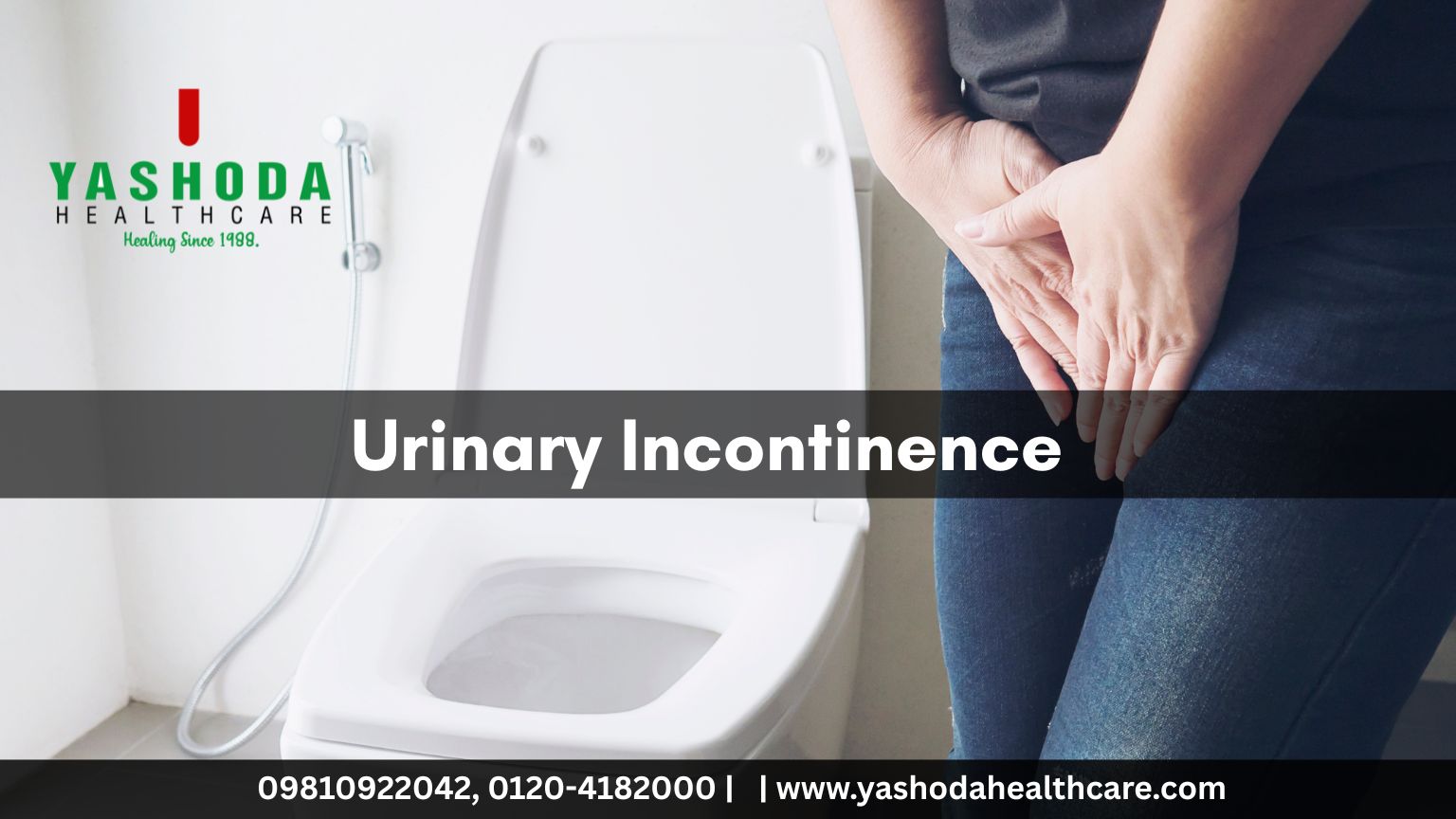
Urinary incontinence refers to the loss of bladder control, leading to involuntary leakage of urine, commonly caused due to weakened bladder muscles or sphincter control. While incontinence increases with growing age and is experienced more by women, it can happen to anybody regardless of their age and sex.
Urinary incontinence is of several types, depending upon their causes, characteristics and symptoms:
1. Urge Incontinence: This is identified by an intense and uncontrollable urge to pass urine. The urge tends to be so strong that many times leakages happen before the person can make it to the washroom in time. The most common cause for this is having an overactive bladder.
2. Stress Incontinence: This involves urine leakage during physical activity like coughing, sneezing or laughing harder, due to weakened pelvic floor or urethral sphincter. Women post childbirth experience this the most. Obesity or ageing are other common causes.
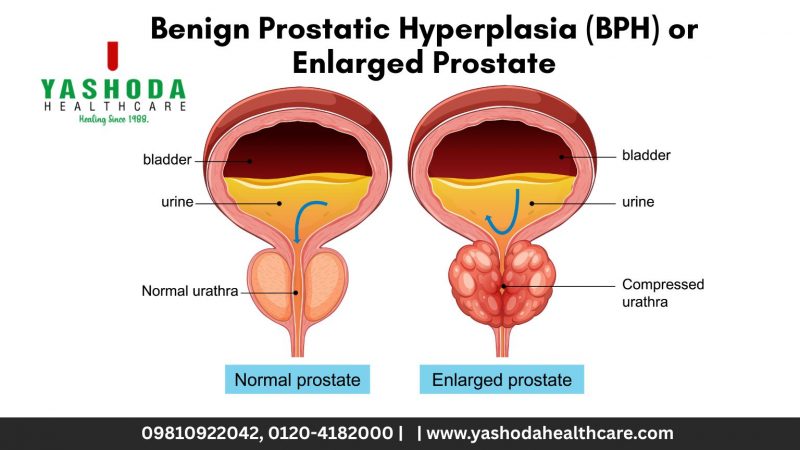
3. Overflow Incontinence: When the bladder does not empty fully, it keeps leaking constantly because it is too full from the previous incomplete emptying. Overflow incontinence is the most common in men with an enlarged prostate, creating blockage in the bladder or urethra, or in people with weak bladder muscles. It can lead to serious issues like kidney damage.
4. Mixed Incontinence: A combination of several conditions that may lead to bladder leakage is known as mixed incontinence. Paying attentions to what triggered the leakage in the first place can help identify the problem and later devise solutions for the same.
Symptoms of Urinary Incontinence
The most common symptom is involuntary leakage of urine before the person can make it to the toilet. Other symptoms differ according to the type of incontinence the person is suffering from:
- Frequent urination and going to the toilet more than eight to ten times a day
- Alarming urge to use the bathroom but passing only little or no urine
- Wetting the bed constantly
- Leaking urine during physical activities like coughing, sneezing, laughing, etc. (also called stress incontinence)
Causes of urinary incontinence may be temporary, that go away with medical treatments or lifestyle changes, or chronic. Chronic causes may take a longer time to get treated, and some may not be fully treated and return after some time. UTIs, pregnancy, constipation or overconsumption of coffee and alcohol are some temporary causes. Chronic causes include overactive bladder, diabetes, menopause, Parkinson’s disease, enlarged prostate or prostate surgery.
Non-Surgical Treatments for Urinary Incontinence
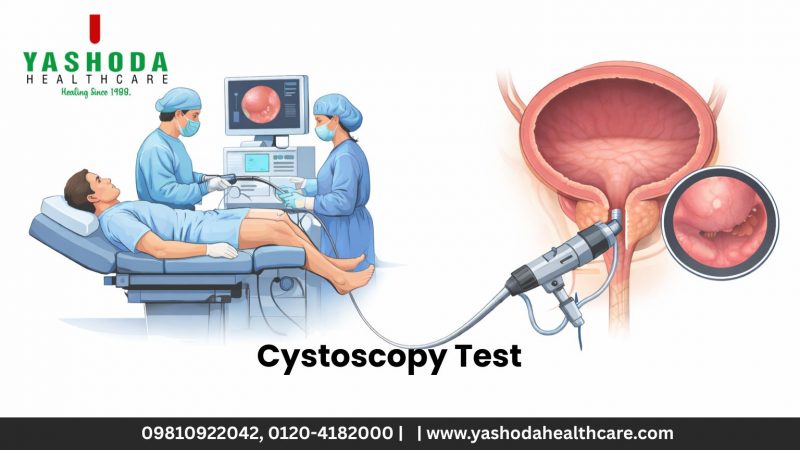
After a thorough physical exam of the patient (pelvic floor exam, urinalysis or bladder ultrasound), and identifying the type of incontinence, the urologist will suggest the best method for treating it. Conservative treatments do not require any surgeries or invasive medical procedures to be performed. These include:
1. Lifestyle changes: Maintaining healthy weight, reducing intake of caffeine and drinking appropriate number of fluids every day.
2. Pelvic floor muscle training: The muscles around the pelvic floor surround the bladder and urethra and control the urine flow. Training your pelvic floor by muscle contraction exercises can be done to improve and strengthen them and treat continence.
3. Electrical stimulation by inserting an electrical tube into the body (through vagina or anus): The electric current runs through the probe and strengthens the pelvic floor muscles as the patient exercises them. This is monitored using biofeedback technique, by studying the signals and progress on a computer screen.
4. Vaginal cones (small weights) inserted inside the vagina to further strengthen the pelvic floor: While this may be uncomfortable, they help with stress or mixed urinary incontinence.
5. Bladder training in addition to pelvic floor muscle training: This involves learning to increase the time duration between feeling the urge to urinate and actually passing urine.
6. Medicines for incontinence: To avoid surgical procedures, the urologist may also prescribe an antidepressant medicine like duloxetine which helps increase the urethral muscle tone to keep it closed and avoid leakages.
Best Hospital for Urinary Incontinence:
Yashoda Hospital & Research Centre, Nehru Nagar, Ghaziabad, has the best urologists who offer a wide range of services to treat patients with all kinds of medications for urinary incontinence and other surgeries such as Extracorporeal Shock Wave Lithotripsy (ESWL), Percutaneous Nephrolithotomy, Ureteroscopic Stone Removal, etc. required for the removal of stones related to the urinary tract.
Dr. Pradeep Prakash is one of the finest urologists and uro-oncologists with more than 16 years of experience in the field of urology. He specialises in performing minimally invasive robotic surgeries for prostate cancer, kidney cancer and bladder cancer along with kidney reconstruction surgery, kidney and ureteral stone removal, etc. with great precision and care.
Dr. Vikas Bansal is an expert with over a decade of experience in issues pertaining to stones in kidneys or bladder, UTIs, urine incontinence, as well as male infertility and erectile dysfunction.
Dr. Anuj Jain is a highly trained Consultant Urologist and Andrologist with extensive experience in managing a wide spectrum of urinary and male reproductive health conditions. For appointments/bookings, please contact us on our helpline number – 9810922042/0120-4182000.