What Is Ureteroscopic Stone Removal? Procedure, Recovery & Cost
What is Ureteroscopy?
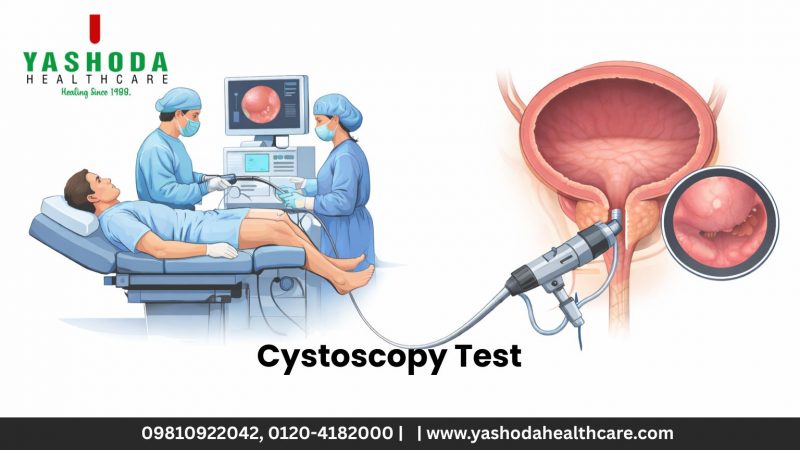
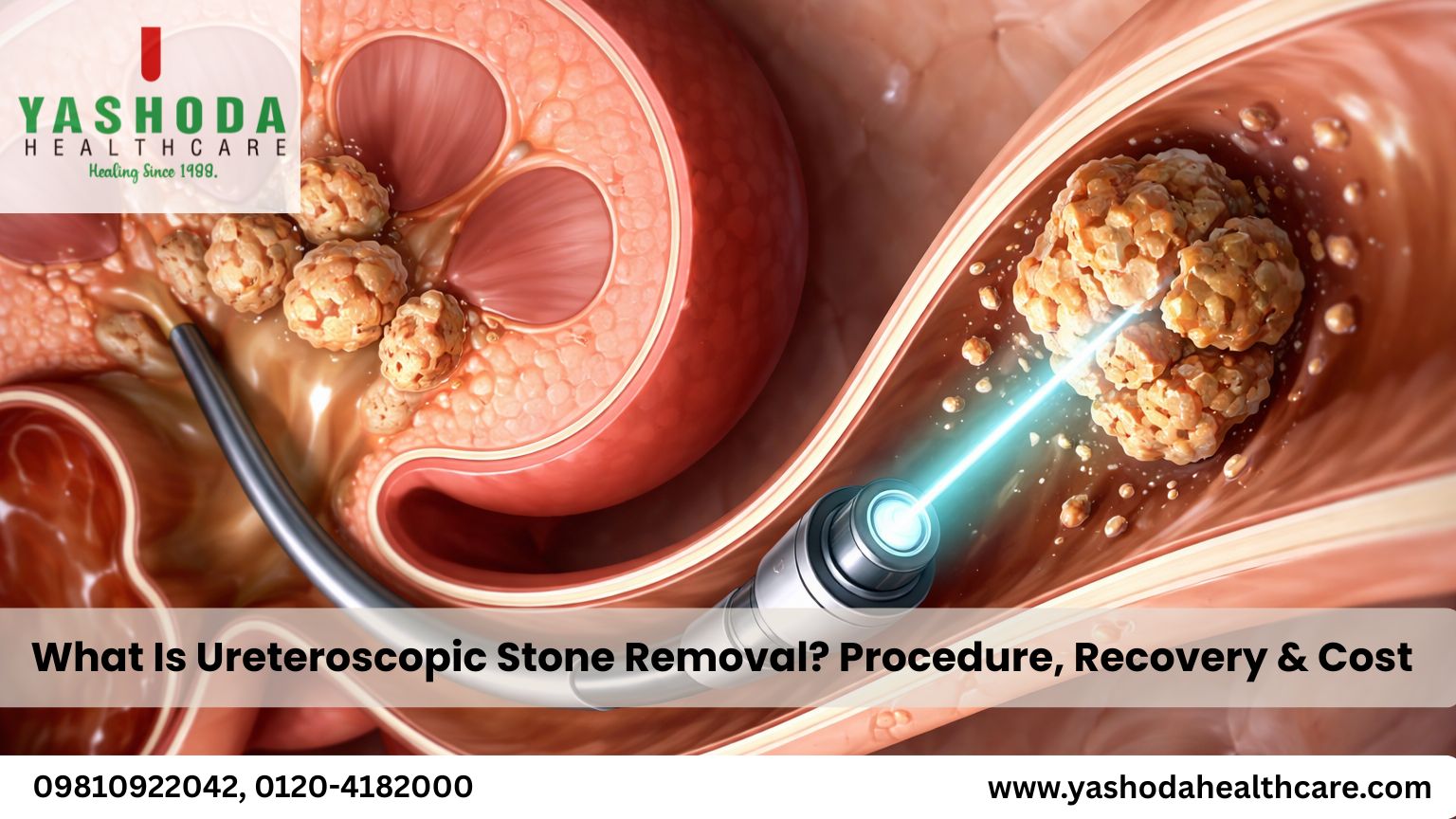
Ureteroscopy is a commonly performed outpatient medical procedure, used to diagnose and treat kidney stones located in the ureter or the kidney. It involves the use of a thin, flexible, lighted instrument known as a ‘ureteroscope’, which is gently passed through the urinary tract to reach the stone. The procedure does not require any external cuts or incisions to be performed on the patient; hence, it is considered ‘minimally invasive’. Ureteroscopic stone removal allows direct visualisation and treatment of stones with precision, making it a safe and effective option for many patients suffering from the condition of stones in the kidneys or urinary tract. After the ureteroscope spots and analyses the location and size of the stone, the urologist performs an extraction via different medical tools.
When medications and conservative treatments fail, and kidney stones do not pass on their own, causing significant pain, blockage, infection or bleeding, this technique is used to treat the problem and avoid further complications. It has become a suitable procedure in today’s time to treat stones of various sizes and locations within the urinary tract.
Let us take you through a step-by-step guide for ureteroscopy – How to prepare for it, what to expect and the costs involved:
1. Preparation
Before the procedure, the patient undergoes some preoperative tests to review their medical history and current condition. This is to verify their eligibility for ureteroscopy. This stage usually involves the following:
i). Fasting for several hours before the procedure. This is to avoid any complications with anaesthesia
ii). Providing a urine sample to diagnose any other infections
iii). A thorough take-through of the procedure with the doctors. This is to ease the patient and also determine their preference for the kind of anaesthesia – general, local, or conscious sedation. The doctors recommend the kind based on the complexity of the patient’s condition and their specific needs
2. Procedure
After the optimal dosage of anaesthesia, the patient is placed on the operating table in a position that allows clear access to the urethra. The ureteroscope is then gently inserted through the urethra, up into the bladder, and then into the ureter. The urologist uses it to further navigate up to the kidneys, if necessary. The ureteroscope has a video camera at its tip, which allows for uninterrupted monitoring and diagnosis.
Based on the diagnosis, the urologist then performs the removal of stones. A further evaluation of any abnormalities in the urinary tract is done along with a biopsy of suspicious tissues. The ureteroscope is then removed from the bladder, and the patient is kept under observation for any discomfort or complications. During this period, a temporary catheter might be placed in the bladder to assist the passage of urine.
3. Recovery
It usually takes about a week to recover from a ureteroscopy. Patients may experience some post-operative discomfort, bloody urine, and urgency in urine for a few days. A follow-up with the urologist and taking certain care measures can help aid faster. It is advised to avoid any strenuous activities, take plenty of fluids and a healthy diet, along with prescribed medications, for a speedy recovery.
Consulting a doctor and getting a personalised quote before undergoing ureteroscopy is always recommended for making an informed decision about your healthcare. Several medical insurance plans also cover the cost of ureteroscopy. A thorough understanding of the same should be done before going into the procedure.
Best Hospital for Ureteroscopy Procedure:
Yashoda Hospital, Nehru Nagar, Ghaziabad, has the best urologists who offer a wide range of services to treat patients with all kinds of medications and surgeries such as Extracorporeal Shock Wave Lithotripsy (ESWL), Percutaneous Nephrolithotomy, Ureteroscopic Stone Removal, etc. for the removal of stones related to the urinary tract.
Dr. Pradeep Prakash is one of the finest urologists and uro-oncologists with more than 16 years of experience in the field of urology. He specialises in performing minimally invasive robotic surgeries for prostate cancer, kidney cancer and bladder cancer along with kidney reconstruction surgery, kidney and ureteral stone removal, etc. with great precision and care.
Dr. Vikas Bansal is an expert with over a decade of experience in issues pertaining to stones in kidneys or bladder, UTIs, urine continence, as well as male infertility and erectile dysfunction.
Dr. Anuj Jain is a highly trained Consultant Urologist and Andrologist with extensive experience in managing a wide spectrum of urinary and male reproductive health conditions.
For appointments/bookings, please contact us on our helpline number – 9810922042/0120-4182000.
Read Also👉:- https://www.yashodahealthcare.com/blogs/ureteral-stones-types-signs-symptoms-and-treatment/