Recurrent UTI in Men and Women: Causes, Tests, and Treatment

A Urinary Tract Infection (UTI) is an infection in any part of the urinary system (kidneys, bladder, ureters or urethra), usually caused by bacteria entering the urethra. Most common symptoms include painful and frequent urination, lower abdominal pain and cloudy and smelly urine.
Recurrent Urinary Tract Infections (UTIs) are repeated episodes of bacterial cystitis or associated symptoms recurring within the last six months or at least three episodes within a year. They pose significant health concern, causing grave discomfort to the person experiencing it. While Urinary Tract Infections (UTIs) and recurrent Urinary Tract Infections (UTIs) are more common in women, they are not as uncommon in men as one might perceive.
Why Do Urinary Tract Infections (UTIs) Keep Coming Back?
Recurrent Urinary Tract Infections (UTIs) occur from bacterial colonisation of E. Coli that gets into the urinary system. These typically reside in our lower gastrointestinal tract, and sometimes, might transfer from the rectum to the urethra, thus invading the urinary system.
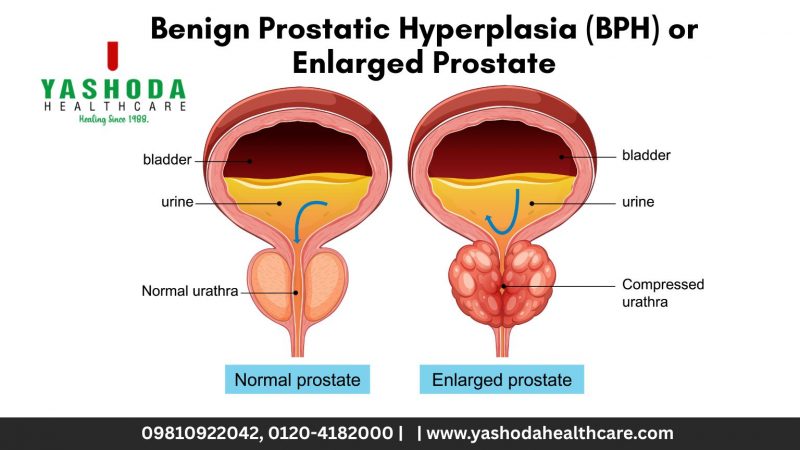
In females, daily hygiene practices like wiping the anus back to front (towards the vagina and urethra), carries the greatest number of bacteria. Sexual acts involving penetration, incomplete bladder emptying, hormonal changes during menopause, birth controls like spermicides, diaphragms etc. or genetics are some of the most common causes of Urinary Tract Infections (UTIs) and recurring Urinary Tract Infections (UTIs). In males, urinary tract blockages due to enlarged prostates or stones, bacterial persistence, chronic prostatitis, catheter use or weakened immune system due to diabetes or genetics, commonly lead to Urinary Tract Infections (UTIs).
Incomplete treatment of Urinary Tract Infections (UTIs) result in their relapse, while reinfection may happen due to new bacterial growth. Identification of either of the two is crucial in managing the problem.
Diagnosis & Tests:
The diagnosis for a Urinary Tract Infection (UTI) is given after the medical examiner and urologist have talked to the patient about his/her symptoms and performed the required tests. For this, the patient is asked to provide a urine sample, which is then followed by –
- Urinalysis – A series of tests are conducted to check the sample for any signs of infection. It examines the physical appearance, chemical content and microscopic elements to spot any bacterial presence in the urine.
- Urine Culture – This is a medical practice wherein the lab technicians grow germs on the urine sample to see what kind of bacteria grow on them and which antibiotics would be best suited for their treatment. This is crucial for targeting infections and preventing further complications of kidney damage.
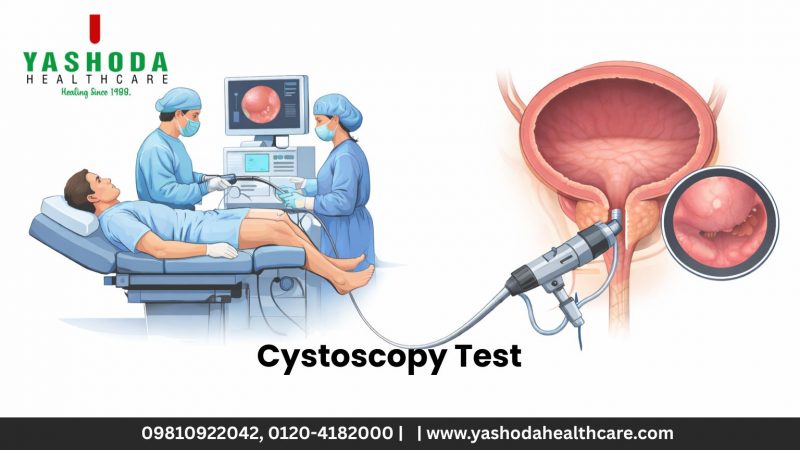
Sometimes, the urologist may also recommend non-invasive imaging tests, if contents of blood is found in the urine, or kidney stones are a recurring problem in the patient. In such cases, kidney ultrasound or CT scan of the lower abdomen and pelvis may be recommended. A cystoscopy might also be employed to check other abnormalities in the urethra, or bladder, that the CT scan could not pick up.
Treatment of Urinary Tract Infections (UTIs):
- Antibiotic Therapy – After a thorough urine culture, the urologist determines the kind of antibiotics that will be suitable for fighting the bacteria. In recurring UTIs, each episode is treated based on its urine culture and sensitivity rather than empirical medication. This is done to avoid antibiotic resistance. Regular dosage of antibiotics is then prescribed. The symptoms should respond to it within the first 48 hours of intake. If there is no improvement, however, a repeat urine culture is done.
- Maximising personal hygiene especially while using the washroom or during and after sexual intercourse is a must. In men, evaluation and treatment of prostate enlargement, chronic prostatitis or urinary obstruction should be the prime components of care. Emptying the bladder completely and not holding urine should be a regular practice.
- Most important but often ignored practice should be lifestyle modification. Intake of proper and adequate fluids, proper urination and maintaining genital hygiene should be key. Post menopausal women may benefit from estrogen therapy under proper medical guidance. Urinary alkalinizers or probiotics are other resorts for some patients.
- In some cases, doctors may also recommend low-dose preventive antibiotics or post-intercourse antibiotics for women with recurring UTIs. However, regular follow-ups should be made a practice to avoid resistance building and ensure long-term care.
Yashoda Hospital & Research Centre, Nehru Nagar, Ghaziabad, has the best urologists who offer a wide range of services to treat patients with all kinds of medications for Urinary Tract Infections (UTIs) and surgeries such as Extracorporeal Shock Wave Lithotripsy (ESWL), Percutaneous Nephrolithotomy, Ureteroscopic Stone Removal, etc. for the removal of stones related to the urinary tract.
Dr. Pradeep Prakash is one of the finest urologists and uro-oncologists with more than 16 years of experience in the field of urology. He specialises in performing minimally invasive robotic surgeries for prostate cancer, kidney cancer and bladder cancer along with kidney reconstruction surgery, kidney and ureteral stone removal, etc. with great precision and care.
Dr. Vikas Bansal is an expert with over a decade of experience in issues pertaining to stones in kidneys or bladder, UTIs, urine continence, as well as male infertility and erectile dysfunction.
Dr. Anuj Jain is a highly trained Consultant Urologist and Andrologist with extensive experience in managing a wide spectrum of urinary and male reproductive health conditions.
For appointments/bookings, please contact us on our helpline numbers – 9810922042/0120-4182000.