What is Liver Cancer? It’s Risk Factors, Symptoms, and Treatment Options
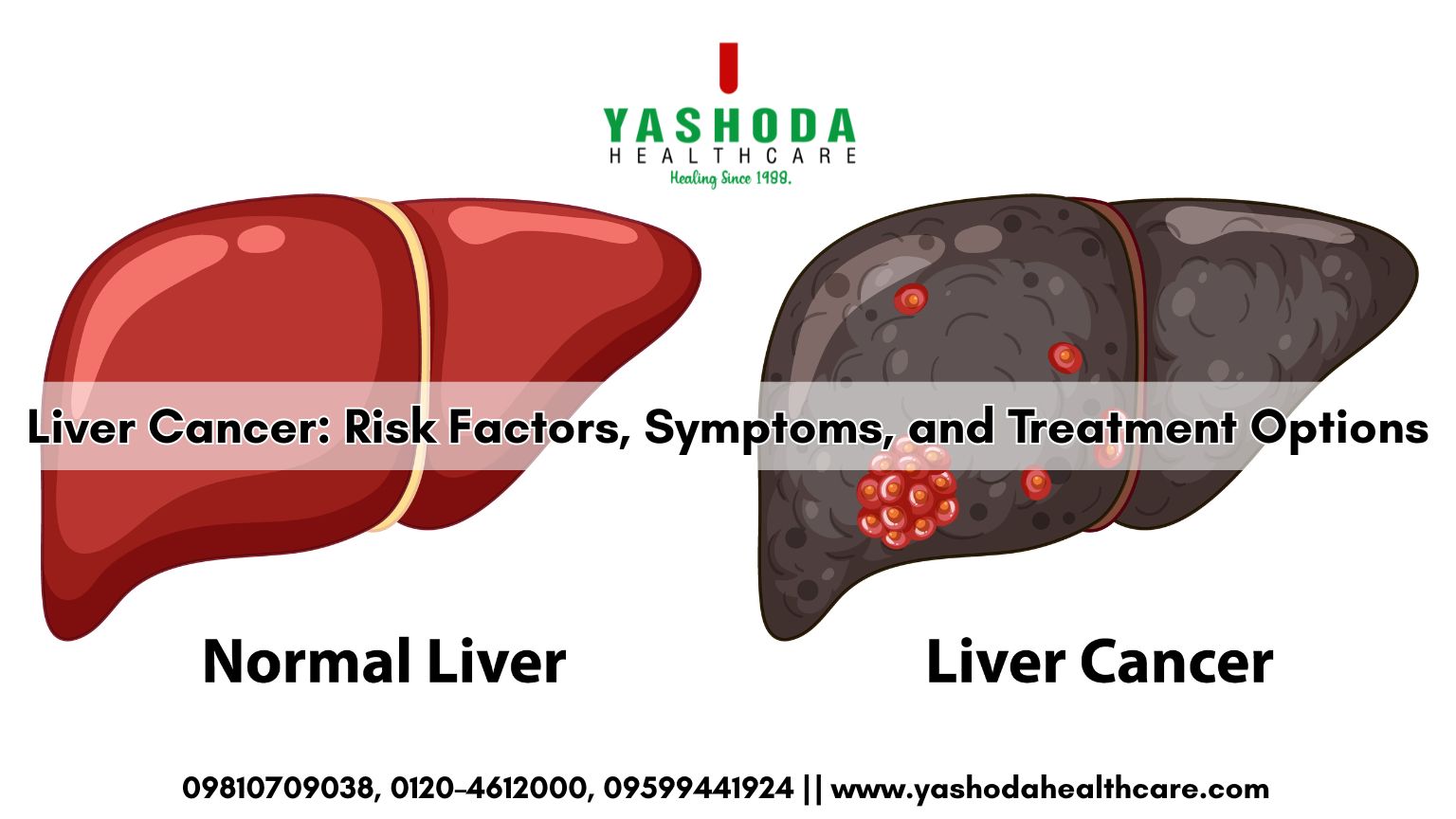
Liver cancer is identified by the presence of a malignant tumor in the liver or bile ducts in the liver.
The liver is the largest organ of the body, and any cancerous cells or tissues can cause deadly imbalance to the whole human body.
Cancer of the liver can be of two types – primary and secondary. Primary liver cancer starts in the liver while secondary cancer spreads to the liver from other parts of the body.
Types of Liver Cancer
Liver cancer can be of the following types: Hepatocellular Carcinoma, Intrahepatic Cancer (IHC) or Hepatic Angiosarcoma.
Certain risk factors responsible for causing liver cancer in the human body are Hepatitis C or Hepatitis B which can cause cirrhosis leading to liver cancer. Other risk factors may include –
● consumption of alcohol and tobacco,
● type-2 diabetes,
● obesity and
● Metabolic Dysfunction associated with Steatotic Liver Disease (MASLD)
Signs & Symptoms of Liver Cancer
Noticeable signs and symptoms of liver cancer may include vomiting, fatigue, nausea, visible lump on right side below the rib cage, loss of appetite, weight loss, yellowing of skin as akin to jaundice.
Diagnosis is given after test results from blood tests, CT scan, ultrasound or angiogram (examination of blood vessels in the liver) come in and a tumor has been detected.
Treatment of Liver Cancer
Liver cancer treatment could be either through clinical trials or surgical treatment methods:
Ablation Therapy – It uses radio frequency or cryoablation to destroy the diseased tissue. A needle is inserted inside the tumour present in the liver of the patient through which extreme heat (radiofrequency) or extreme cold (cryoablation) is passed to destroy the cancerous cells or tissue. It is minimally invasive in nature and opted as an alternative to surgery.
Hepatectomy or Liver Resection – It is a surgical treatment method in which part or all of the liver is removed that contains cancerous cells. In case of partial hepatectomy, the liver can grow back in size after recovery. However, in case of total hepatectomy, a liver transplant is required.
Liver Transplantation – In case of a total hepatectomy, the patient has to undergo a liver transplantation in which a new liver compatible to his system is transplanted into his body after the diseased or destroyed liver is removed out.
Chemotherapy – Use of drugs to destroy cancer cells and further cell regeneration is chemotherapy. It is often paired with radiation therapy for better effectiveness.
Chemoembolization – It is a type of cancer treatment that blocks a tumor’s blood supply. It delivers drugs directly to the tumor (used with chemotherapy) and kills cancer cells by mixing into the bloodstream.
Radiation therapy – It involves passing of radiation (electrical beam) targeted to the tumor specific areas to kill the cancer cells. Many times, radiation therapy is conducted after surgery on a patient to kill any remaining cancer cells in the body.
Targeted Therapy or Immunotherapy – Targeting cancer cells and attacking them specifically without harming the healthy ones is targeted therapy. Immunotherapy boosts the body’s immune system so it is better at fighting cancer cells.
After assessing the condition of the patient and conducting tests, the oncologist comes forth with a comprehensive treatment plan, best-suited as per the conditions of the patient. They may recommend surgery or chemotherapy or radiation therapy or a mix of several procedures, so as to not just treat but also eliminate possibilities of a relapse.
Best Cancer Doctors/Hospital for Liver Cancer Treatment
At Yashoda Superspeciality Hospital & Cancer Institutes, Sanjay Nagar, Ghaziabad, we have the best oncologists from the Indian Army and trained at the best institutions of the country including the Tata Memorial Hospital; they offer a wide range of services to treat patients with liver cancer.
Dr. Manish C. Kak is a reputed gastroenterologist and liver specialist with 25 years of experience. He is currently the Chairman and Head of Gastroenterology at Yashoda Institute of Liver & Digestive Sciences, Yashoda Hospital, Sanjay Nagar, Ghaziabad.
Dr. (Brig.) Arvind Kumar Tyagi is another one of the veterans with 30 years of expertise at Yashoda Superspeciality Hospital & Cancer Institutes, Sanjay Nagar, Ghaziabad, and is the Director of Surgical Oncology & Robotic Surgery.
Dr. (Maj. Gen.) Dharmesh is a highly reputed medical oncologist with 30+ years of experience in medicine and oncology. He is known for his expertise in comprehensive cancer care, chemotherapy and multidisciplinary treatment planning.
Dr. Col N. Chakravarty also comes with a massive experience of three decades in the field of oncology. He is the Director of Radiation Oncology at Yashoda Superspeciality Hospital & Cancer Institutes.
For appointments, please reach out to us on our helpline numbers – 9810709038, 0120-4612000