Endometriosis: The Real Cause behind Severe Period Pain
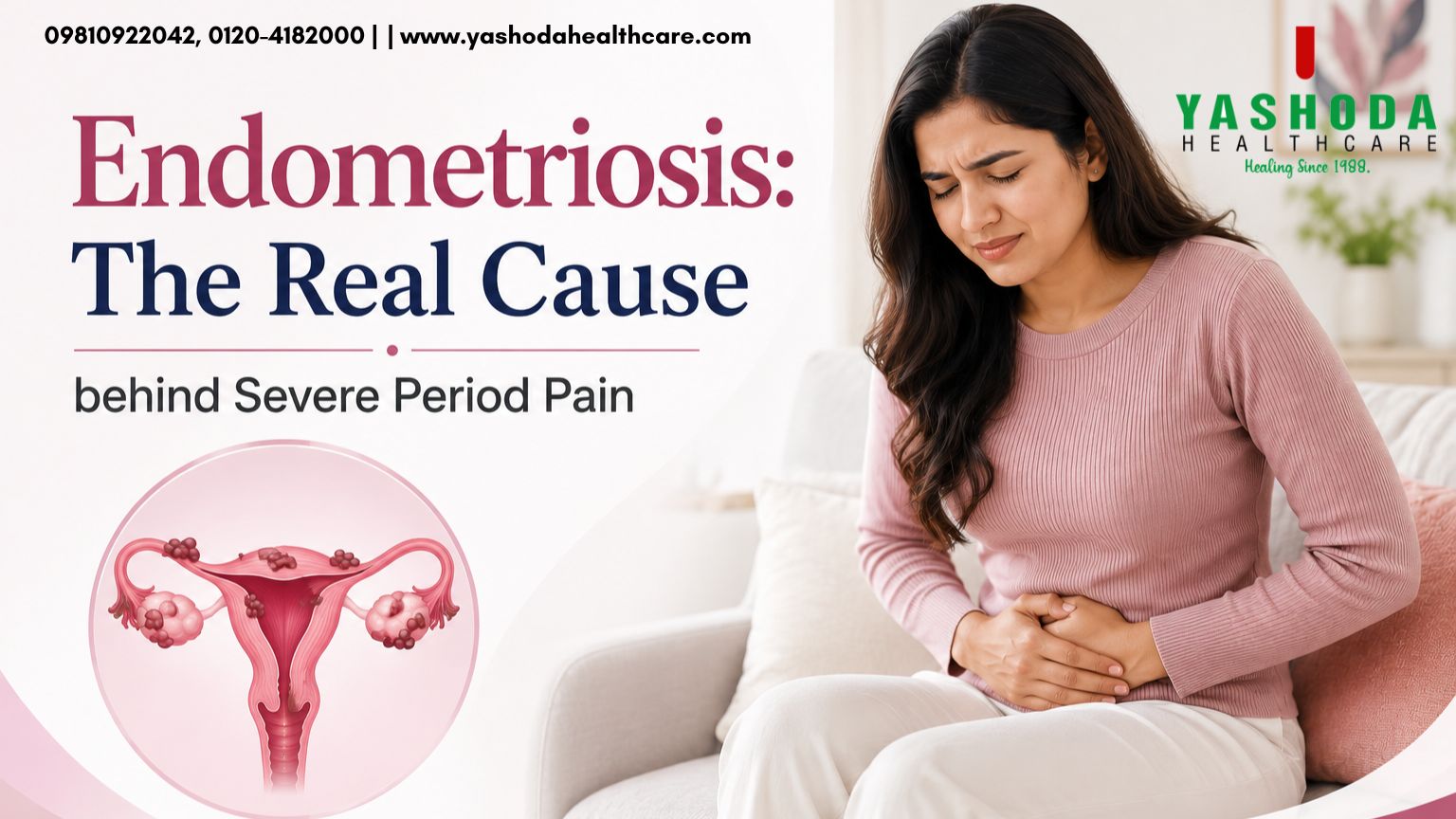
For a large number of women, period pain is not just a minor monthly problem that you can simply push through with a couple of painkillers. Endometriosis is a long-term, exhausting gynecological condition that causes severe menstrual pain—clinically known as dysmenorrhea—that is very different away from the typical period cramping. While a little cramping during your cycle is pretty normal, the sheer intensity of endometriosis pain can completely ruin your day, impact your job performance, and take a heavy toll on your mental health.
The root of this whole problem comes down to the tissues acting out of bounds. In case of endometriosis, cells that mimic the endometrium (the normal lining inside your uterus) start growing outside the womb, usually holding onto the ovaries, fallopian tubes, and pelvic lining. During a normal period, this misplaced tissue reacts with your regular monthly hormones by swelling up and bleeding. But because it is trapped deep inside the pelvic cavity with no escape routes, that blood starts accumulating, leading to constant internal irritation, nerve pain, and thick bands of scar tissue called adhesions.
The good news is that with advancements in medical science, now multiple medical and surgical strategies exist, and doctors can modify these options based on your specific health history, pain levels, and whether you want kids. These methods are safe, having extensively researched, and used every day by gynecologists to help patients get their lives back on track.
What is Hormonal Therapy?
Think of hormonal therapy as a non-surgical way to quieten down the body’s natural cycle so that these misplaced endometrial patches stop acting up every month. By smoothing out the regular hormonal spikes, this treatment prevents the tissue from thickening and bleeding, which cuts down on chronic pelvic inflammation. Based on the specific patient need, doctors may choose from a few distinct clinical approaches:
Oral Contraceptives – These are regular birth control pills to be taken every day to level out your baseline hormones so that your period stays light and cramps do not get out of hand.
Progestin Therapies – You can get these through daily pills, an IUD, or routine shots, all of which fight back against estrogen to actively shrink down painful pelvic patches.
GnRH Agonists – A stronger medical option that essentially hits the pause button on your period altogether, creating a low-estrogen environment so your pelvis can heal.
Pros & Cons of Hormonal Therapy
Pros of Hormonal Therapy:
- Symptom Relief – Successfully calms down constant pelvic inflammation and lowers paintriggering prostaglandins without making you go through an invasive procedure.
- Non-Invasive Nature – You get to completely skip surgical headaches like going under anesthesia, dealing with wound infections, or taking weeks off work, making it very easy to manage right from home.
- Growth Suppression – This works like a temporary brake pedal for the disease, stopping brandnew patches of tissue from popping up as long as you keep taking the medication regularly.
Cons of Hormonal Therapy:
- Temporary Solution – It cannot dissolve or remove the physical scar tissue or adhesions that are already there, meaning that the symptoms usually flare right back up once you stop the drugs.
- Side Effects – Can trigger systemic updates like unpredictable mood shifts, minor weight changes, or irregular spotting depending on the specific hormone blend.
What is Surgical Excision?
Surgical excision is a minimally invasive operation, almost always done via laparoscopy (keyhole surgery), where the gynecologist physically cuts out the endometrial implants and scar tissue. Instead of just masking the symptoms with medication, this approach lets the surgeon look directly inside the pelvis to fix structural problems. The surgery typically unfolds in three main phases:
- Diagnostic Visualization – The surgeon inserts a tiny camera through small belly cuts to map out the pelvic space and pinpoint lesions or fluid-filled ovarian “chocolate cysts” (endometriomas).
- Excision of Tissue – Using micro-tools, the surgical team cuts the diseased tissue away from the healthy organs rather than just burning off the top layer.
- Anatomical Restoration – The surgeon carefully separates pelvic organs that have become glued together by dense adhesions, relieving that heavy, chronic internal pressure.
Pros & Cons of Surgical Excision
Pros of Surgical Excision:
- Definitive Diagnosis – Regarded as gold standard for confirming the condition, spotting deep, hidden lesions that standard ultrasound scans easily miss.
- Physical Removal – Directly gets rid of the problem behind the pain, including deep-seated tissue growths and painful, pressurized ovarian cysts.
- Fertility Improvement – Cleans up the fallopian tubes and frees the ovaries from scar tissue, opening up a clearer anatomical pathway for women trying to get pregnant.
Cons of Surgical Excision:
- Surgical Risks – One has to deal with normal post-surgery realities such as minor belly swelling, sore internal tissues for a few days, or feeling groggy from anesthesia.
- Potential Recurrence – Sometimes microscopic cells escape the surgeon’s tools or new ones may grow later, so there is always a chance that your symptoms might come back after a few years.
How Do Gynecologists Decide Between Hormonal Therapy & Surgical Excision?
- Fertility and Pregnancy Goals: Gynecologists look closely at whether a patient wants to conceive soon; hormonal options act as birth control, while surgical excision is deliberately chosen to fix anatomy and boost fertility.
- Severity of Symptoms and Cysts: If a scan shows large, painful “chocolate cysts” on the ovaries or if a patient is experiencing sharp, shooting nerve pain, doctors usually go straight to surgery instead of waiting on medications.
- Extent of Scar Tissue and Adhesions: When internal scarring is so severe that it literally glues pelvic organs out of place—making everyday movement painful—surgery becomes the immediate priority to restore mobility.
- Response to Initial Treatment: Doctors also go through your track record with the basic treatments, tracking if first-line steps like high-dose ibuprofen or standard birth control pills did anything good before they talk about surgery.
- Diagnostic Imaging Metrics: Doctors will also look at the exact measurements from deep pelvic ultrasounds or specialized MRIs to know exactly how deep the tissue has dug in, which tells them if the pills alone even stand a chance.
Best Hospital & Doctors for Endometriosis in Delhi NCR(Ghaziabad, Noida)
Yashoda Hospital & Research Centre, Nehru Nagar, Ghaziabad is equipped with some of the best gynecologists in Delhi NCR. The hospital offers premium healthcare and patient-centric care and service across all multidiscipline.
Dr. Shashi Arora is the Head of Department & Senior Consultant, Obstetrics & Gynaecology; one of the best Gynaecology doctors in Delhi NCR.
Dr. Jyotsana Agarwal, Senior Consultant, has more than 30 years of experience in the field and to share her knowledge and experience, she has even mentored many medical practitioners.
Dr. Kanika Agarwal is a Consultant in the Department of Obstetrics & Gynaecology. She has more than a decade of medical experience.
For queries / to book your appointments, call us now at 98109 22042, 0120-4182000.