Bladder Stones: Symptoms, Causes, and Best Treatment Options
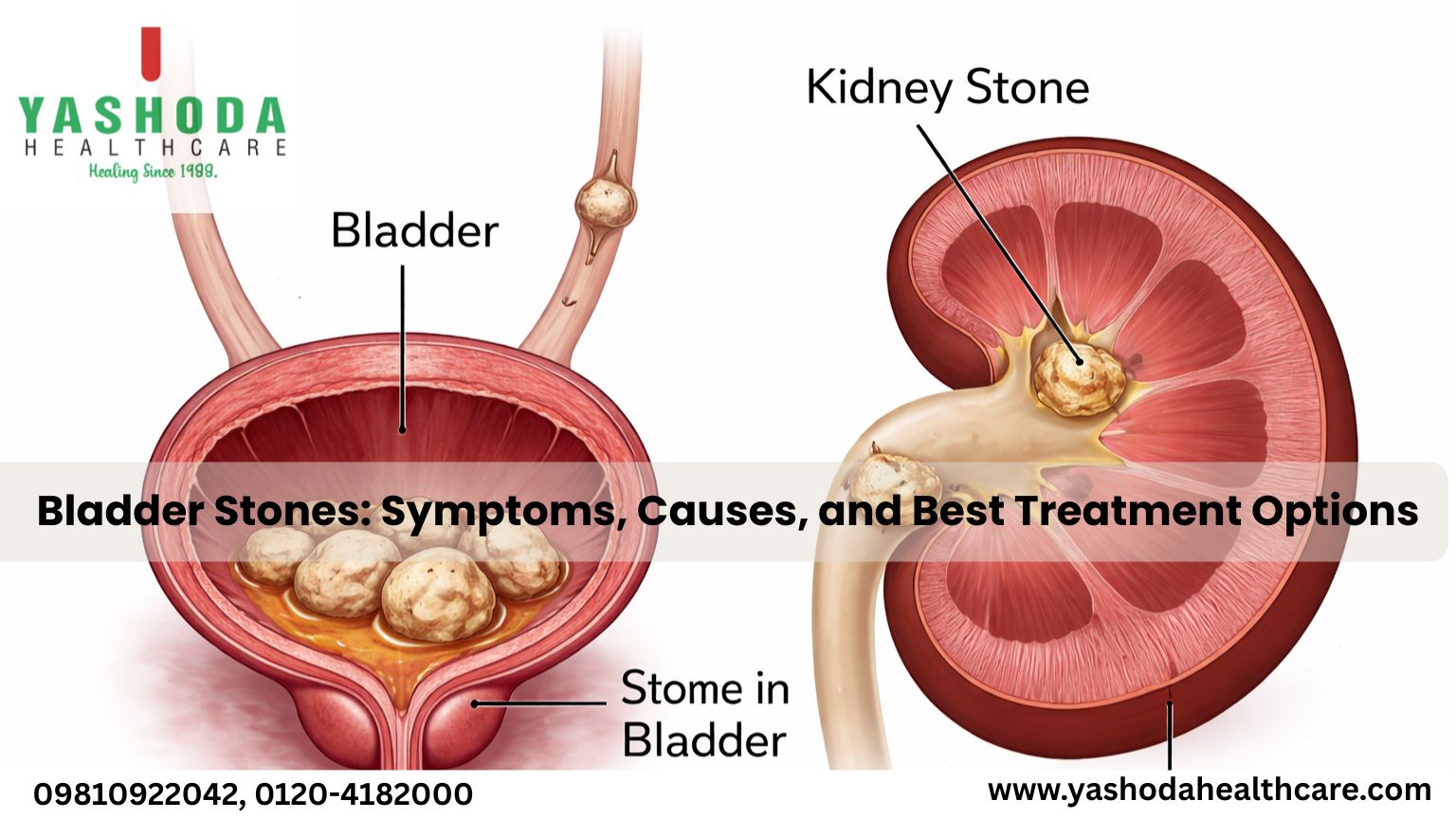
What are Bladder Stones?
Bladder stones are hardened lumps of minerals which form inside the urinary bladder, often due to holding of urine discharge or not emptying it completely while passing. These are solid calculi or crystalised minerals in the urine that deposit over time. The minerals in the residual urine, present in the bladder, accumulate to form ‘bladder stones’.
While smaller stones are unnoticeable and often pass with regular urine or dissolve inside the system, longer periods of accumulation of bladder stones can lead to their increase in size and formation of larger stones.
What are the Signs & Symptoms of Bladder Stones?
While most smaller bladder stones are discharged from the body with regular urination, the larger stones irritate the bladder, cause pain while passing the urine, often with hints of blood in it. Some common signs and symptoms include:
- Increased urgency to pee – You may feel the urge to pee constantly, even after doing it again and again. This happens because the bladder is never completely empty. But blocked passage, due to accumulates of stones, do not let urine pass completely
- Obstructed flow of urine – When the bladder stones become big in size, they obstruct the flow of urine at the neck of the bladder. The tube becomes narrow and causes significant strain in passage of urine
- Painful urination – Feeling burning sensation and significant pain while urinating is the most common symptom. Recurring pain in the lower abdomen is also noticed across patients. Males experience pain and discomfort in their penis and testes
- Blood in urine – The stones irritate the mucosa (innermost protective lining of the bladder), which may cause bleeding which comes out mixed in urine
- Urinary Tract Infections (UTIs) – Bladder stones often cause UTIs, which include painful, frequent and bloody urination The urine also becomes smelly and cloudy
What Causes Stones in the Urinary Bladder?
In most cases, bladder stones are kidney stones, that pass from the kidneys through the ureters and enter the bladder. These stones, when unable to pass through the urine, accumulate and grow in size over time. The minerals from the urine deposit around them, making them larger in size. Some other causes of bladder stones are:
- Dehydration – The most common cause of bladder stones is dehydration. Not drinking enough fluids cause build-up of minerals in the bladder, causing concentrates of stones. While it is mostly neglected, drinking water and electrolytes can help dilute the minerals and clear the bladder through complete passage of urine
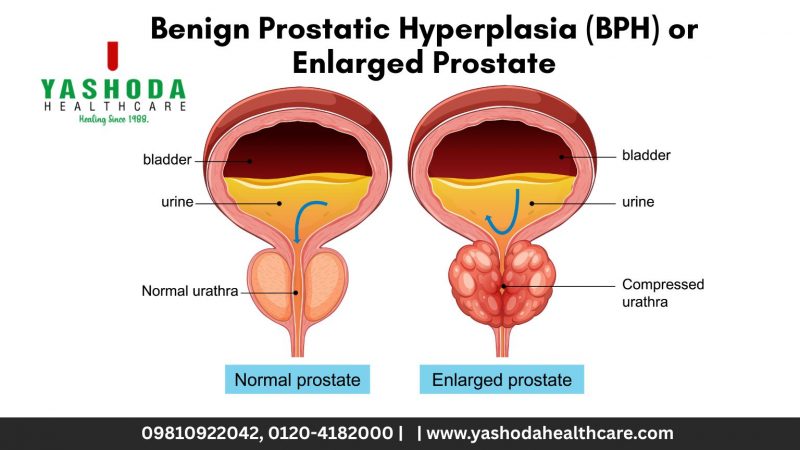
- Enlarged prostate – In males, the prostate glands enlarge with age. This may lead to a reduced outflow of urine, which may further cause stones in the bladder
- Urethral narrowing – Patients who have a narrow urethra due to some past trauma/surgery/infections etc, may not be able to pass urine completely in one flow. In such cases, the urine deposits gradually form into bladder stones
- Neurogenic bladder – People with bladder dysfunction, due to nerve damage, are never able to completely empty their bladder. This may lead to repeated blockage, infections, and formation of stones
- Medical devices such as catheters, that go through the urethra to enter the bladder may also cause bladder stones. If the device is left inside the body for a longer period of time, the crystals formed on them can cause stones in the bladder
How to Diagnose & Treat Bladder Stones?
The urologist conducts a through examination of the urine, after identifying the symptoms in the patient. It mostly starts with urine examination and microscopy to identify the presence of mineral crystals. Ultrasounds and X-rays are other medical procedures to identify stones in the bladder, their size and affected areas inside the body.
The best effective way to deal with smaller stones is drinking enough water and fluids, hydrating the body and diluting the mineral deposits inside the bladder.
However, in case of bigger stones, after the patient receives their diagnosis, the bladder stones can be treated, endoscopically or via surgical methods.
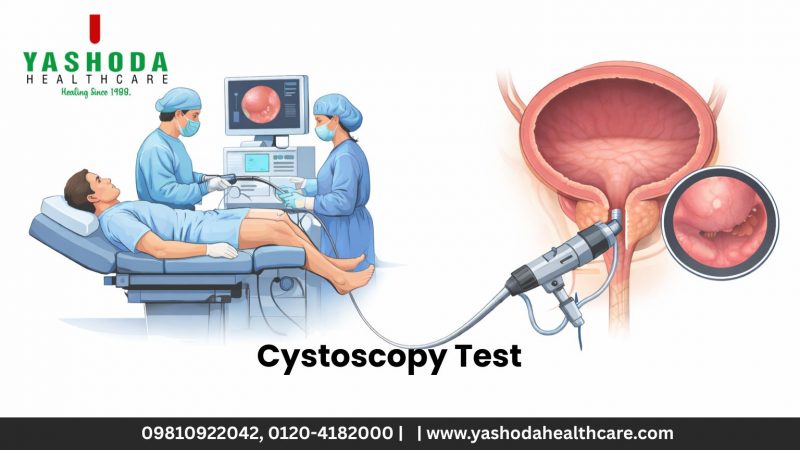
- Endoscopic method or Cystolitholapaxy – In this procedure, a medical instrument called the ‘cystoscope’ is inserted through the urethra, up into the bladder to reach the stone. The end of the cystoscope has a camera and a light source for better visual inside the body. After the stone is detected, the urologist uses laser or high-frequency ultrasonic waves to break it into smaller pieces. The bladder is then washed-out using fluids
- Surgical method – If the stones inside the bladder are significantly larger in size, or more in number, an open surgical method is employed by the urologist. In this, a small incision is done on the lower abdomen of the patient opening the bladder, and the stone is removed. The wound is then closed using absorbable structures. The patient undergoing this method has to have an external catheter inserted for about two weeks for urinary discharge
Best Hospital for Treatment of Bladder Stones:
Yashoda Hospital, Nehru Nagar, Ghaziabad has the best & most experienced team of dedicated urologists who offer a wide range of services to treat patients with all kinds of medications and surgeries such as Extracorporeal Shock Wave Lithotripsy (ESWL), Percutaneous Nephrolithotomy, Ureteroscopic Stone Removal, etc. for the removal of stones related to the urinary tract using Robotic & Laparoscopic surgeries.
Dr. Pradeep Prakash is one of the finest urologists and uro-oncologists with more than 16 years of experience in the field of urology. He specialises in performing minimally invasive robotic surgeries for prostate cancer, kidney cancer and bladder cancer along with kidney reconstruction surgery, kidney and ureteral stone removal, etc. with great precision and care.
Dr. Vikas Bansal is an expert with over a decade of experience in issues pertaining to stones in kidneys or bladder, UTIs, urine continence, as well as male infertility and erectile dysfunction.
Dr. Anuj Jain is a highly trained Consultant Urologist and Andrologist with extensive experience in managing a wide spectrum of urinary and male reproductive health conditions.
For appointments/bookings, please contact us on our helpline number – 9810922042/0120-4182000.