Head & Neck Cancer: Types, Causes, Warning Signs, Tests & Prevention
What is Head and Neck Cancer?
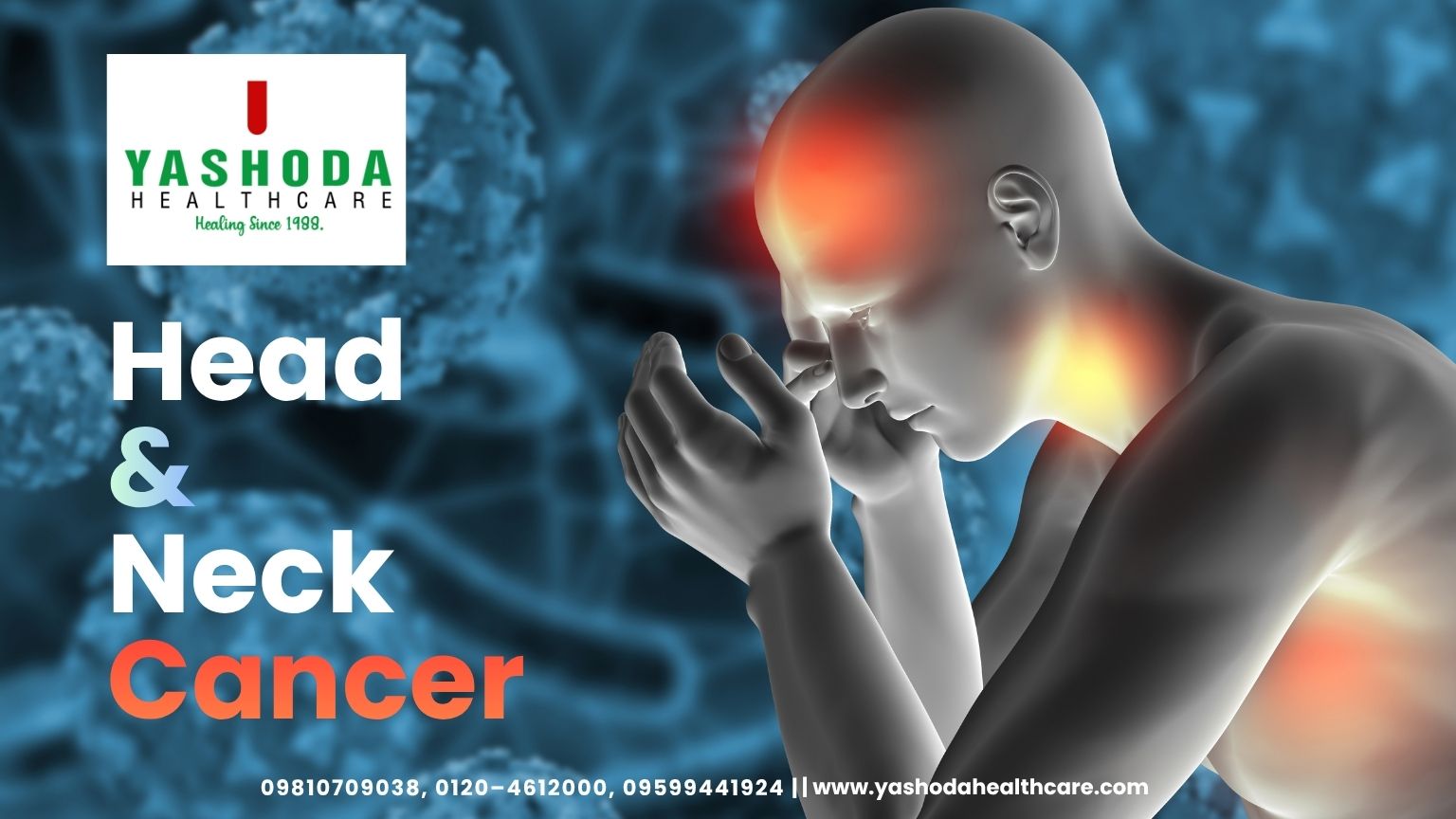
Head & Neck Cancer is a collective term used for several types of cancers that affect the mouth, throat, or other parts of the head and neck. Most of these cancers start in squamous cells, which are moist tissues that make up the lining of the mouth, throat, voice box, or nasal cavity.
Types of Head & Neck Cancer
- Oral Cancer: Cancer that develops in the lips, gums, tongue, inner lining of the cheeks, bottom of the mouth, or dental region.
- Salivary Gland Cancer: Cancer that develops in the salivary glands of the mouth.
- Nasal Cavity & Paranasal Sinus Cancer: Cancer that develops in the hollow area inside the nose or the hollow spaces in the bones around the nose.
- Nasopharyngeal Cancer: Cancer that develops in the upper part of the throat.
- Oropharyngeal Cancer: Cancer that develops in the middle part of the throat, including the tonsils and base of the tongue.
- Laryngeal Cancer: Cancer of the voice box.
- Hypopharyngeal Cancer: Cancer that develops in the bottom part of the throat.
Causes of Head & Neck Cancer
There are several risk factors linked to head and neck cancer. The most common ones are:
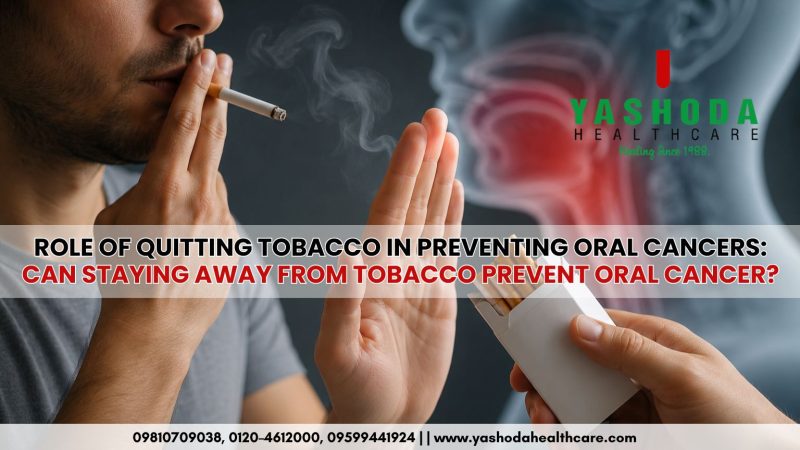
- Tobacco Use: The biggest cause of head and neck cancer worldwide is the use of tobacco. This includes smoking cigarettes, cigars, chewing tobacco, or vaping. Even second-hand smoke can increase the risk of developing it.
- Alcohol Consumption: Alcohol consumption can also increase the risk of head and neck cancer, especially when combined with tobacco use.
- Human Papillomavirus (HPV): HPV is known to be an increasing cause of oropharyngeal cancer. HPV targets the tissue of the tonsillar crypts in the oropharynx, causing cancer cells to develop and metastasize.
- Betel Nut Chewing: Many head and neck cancers in Southeast Asia are associated with chewing betel nuts.
- Weaker Immune System: A weaker immune system can make it harder for the body to fight cancer and may therefore be a risk factor.
- Genetics: If a person has predisposing genes and also uses tobacco, the risk of developing cancer may increase further.
- Long-Term Exposure to Carcinogens: Long-term exposure to carcinogens may also cause head and neck cancer. These may include pesticides, asbestos, wood dust, paint fumes, etc.
- Radiation Exposure: Previous radiation exposure to the head and neck has also been linked to cancer in the salivary glands.
- Poor Oral Hygiene: Poor oral hygiene may also increase the risk of oral cancer.
Early Warning Signs of Head & Neck Cancer
- Difficulty swallowing or a persistent sore throat
- Swelling in the neck or lumps in the jaw or throat
- Mouth or tongue soreness that persists
- Hoarseness or changes in the voice
- Pain in the ears or a sensation of fullness in the ear
- White or red patches inside the mouth or on the cheek walls
- Nasal congestion or frequent nosebleeds in cases of nasal cavity or paranasal sinus cancer
When these problems occur repeatedly and persist for a longer period of time, seeking medical advice becomes crucial.
Diagnosis & Tests of Head & Neck Cancer
Diagnosis typically begins with a physical examination to assess the symptoms and examine the throat, mouth, and nasal passages. Other tests may include:
- Endoscopy: A flexible tube with a camera at the end is used to examine the nose, throat, and larynx.
- Imaging Tests: CT, MRI, and PET scans help locate and assess tumours.
- Biopsy: A tissue sample may be taken and examined to confirm the presence of cancer.
- HPV or EBV Testing: Tests for Epstein-Barr Virus (EBV) or Human Papillomavirus (HPV) may also be conducted. EBV, in particular, is linked to nasopharyngeal carcinoma, while HPV testing is important for oropharyngeal cancers.
How To Prevent Head & Neck Cancer?
While certain factors are biological or genetic in nature and cannot always be controlled, preventive measures can be taken to reduce the risk of head and neck cancer, particularly in relation to lifestyle practices:
- Avoiding alcohol consumption and the use of tobacco in all forms
- Getting HPV vaccination after medical consultation
- Maintaining good oral hygiene
- Eating a well-balanced and nutritious diet
- Using protective gear while dealing with harmful carcinogens
- Getting regular health check-ups
Best Hospital for Treatment of Head & Neck Cancer in Delhi NCR(Noida, Ghaziabad)
Yashoda Superspeciality Hospital & Cancer Institutes, Sanjay Nagar, Ghaziabad, is one of the best superspeciality cancer institutes and treatment centres in Delhi NCR. Equipped with some of the finest professionals in the field of oncology, serving for decades with invaluable experience in the Indian Armed Forces, the superspeciality and cancer hospital is a beacon of excellence, merit, and credibility when it comes to dealing with patients battling cancer, their treatment, and rehabilitation.
Dr. (Brig.) Arvind Kumar Tyagi, the Director, Surgical Oncology & Robotic Surgery, has more than 35 years of experience and expertise in the field of surgical oncology. He has had an exceptional career in the armed forces and possesses strong skills, commitment, and credibility in treating patients with cancer.
Dr. Adarsh Kumar comes with 15 years of experience in the field and is currently practising as a Senior Consultant, Surgical Oncology & Robotic Surgery with us. He has performed more than 2,500 major surgeries in the past three years and has an exceptional reputation for handling emergency cases, making him one of our finest assets at the hospital.
For inquiries or bookings, please contact us at: 9810709038, 0120-4612000.