Enlarged Prostate or Benign Prostatic Hyperplasia (BPH): Which Is Better – TURP or Laser?
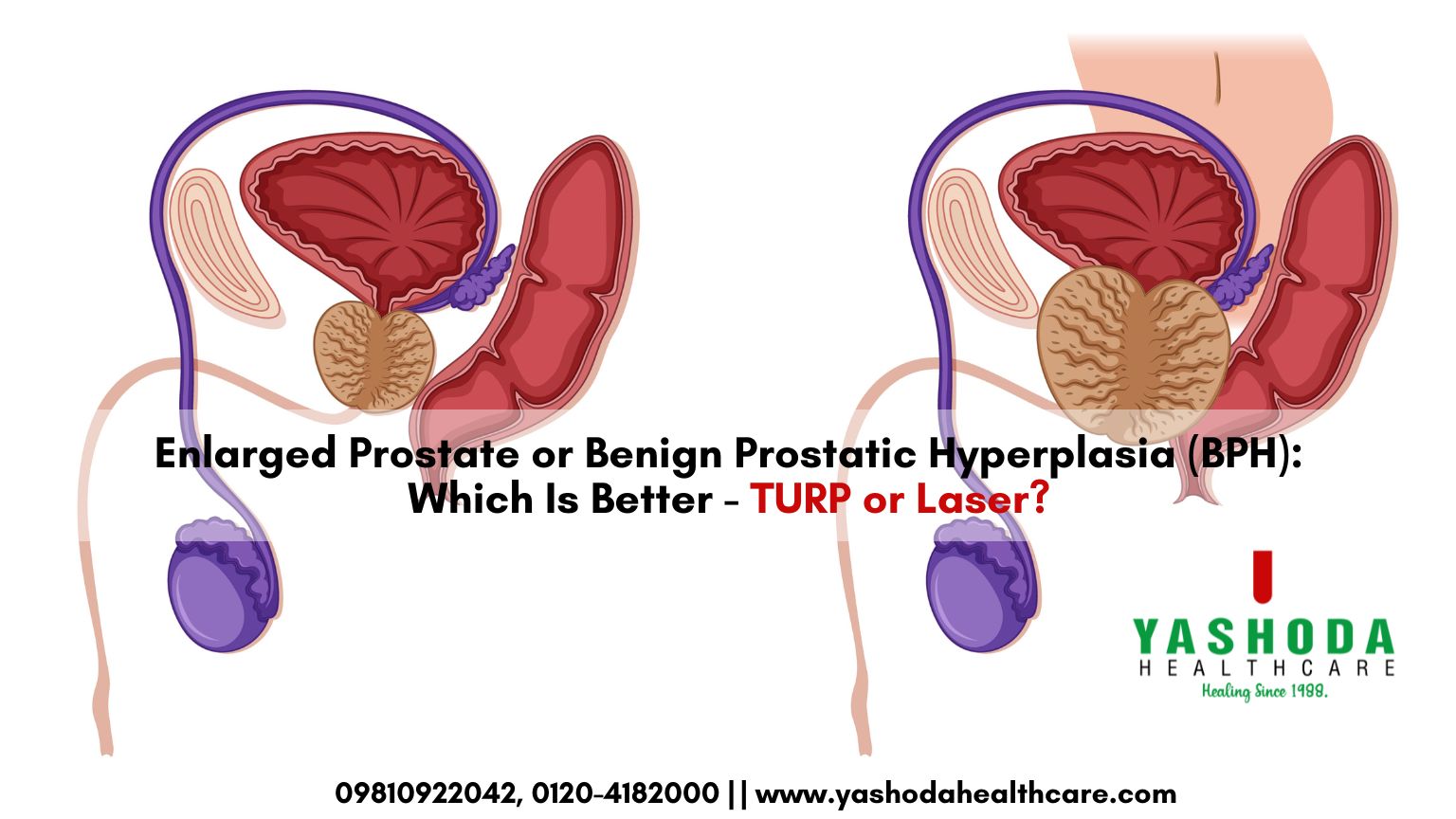
What is Benign Prostatic Hyperplasia (BPH) or Enlarged Prostate?
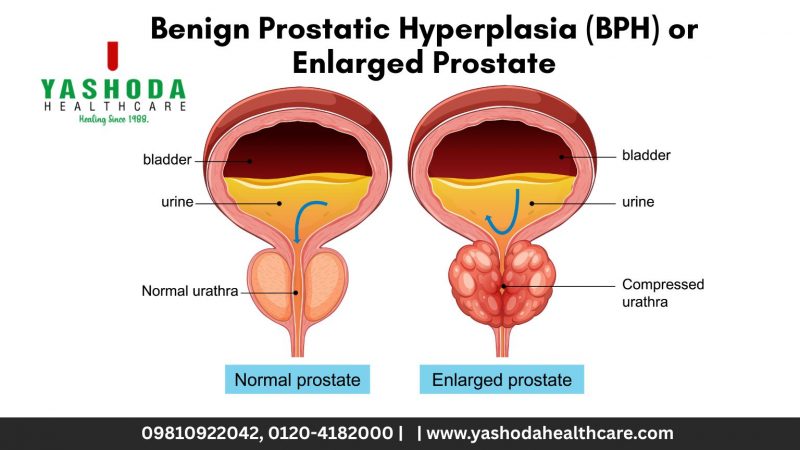
Benign Prostatic Hyperplasia (BPH) or Enlarged Prostate is a condition in males identified by the enlargement of their prostate gland as the prostatic tissue grows in size. It is highly common men above 50 years of age.
Why Does the Prostate Get Enlarged – Reasons for Prostate Enlargement?
As men get older, the testosterone levels in their bodies begins to decrease; their estrogen levels remaining unchanged. This hormonal shift causes the prostate cells to become enlarged, causing problems in urination and other functions of the urinary system.
Treatment Options for Enlarged Prostate or Benign Prostatic Hyperplasia (BPH)
Two main surgical options that are commonly used to treat an enlarged prostate are:
- the standard Transurethral Resection of the Prostate (TURP) and
- newer laser-based treatments, collectively called Laser TURP.
While both aim to remove the blockage and relieve the prostate gland, they differ in their work, recovery and other aspects. The urologist will first discuss the pros and cons of both the treatment options with the patient, based on the patient’s case. Based on this, a decision is taken as to which treatment option is to be used for the patient and a consensus is arrived at regarding the treatment method. Let’s understand both the treatment options in detail.
Transurethral Resection of the Prostate (TURP)
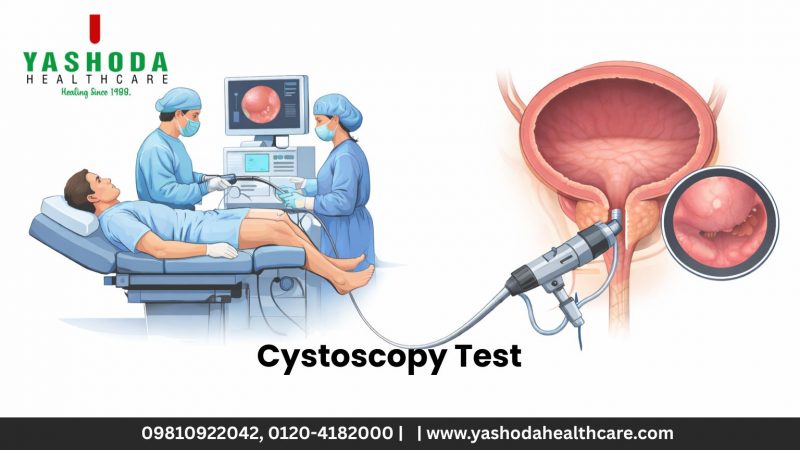
In TURP, a thin instrument (called the resectoscope) is inserted via the urethra, up into the prostate. The uro-surgeon then uses an electric wire loop to cut away the enlarged prostate t issue thereby removing the blockage in urethra. Post surgery, the flow of urine is improved. This procedure has been the ‘gold standard’ treatment method for BPH.
Laser-Based Treatments
Laser-Based Treatments Laser treatments, such as – Photoselective Vaporisation (PVP), Holmium Laser Enucleation (HoLEP) and Thulium Laser Enucleation, use light energy (or laser) to vaporise and remove obstructive prostate tissues via the urethra. While the basic principle and aim to reduce the urethral blockage remains the same as TURP, this technique differs in terms of the instruments and the energy it uses. Some of its top-of-the-line advantages are – lesser bleeding, shorter time with the catheter and quicker hospital discharge.
Which Treatment Method is Better for Enlarged Prostate or Benign Prostatic Hyperplasia (BPH) – TURP or Laser?
While considering which surgical method to go for, it is very important to understand the key differences and comparisons between the two:
- Bleeding and Safety – Since the laser method seals the blood vessels as it cuts, there is a lesser chance of bleeding or needing a blood transfusion. Whereas, in case of TURP, there is more risk of bleeding, along with a higher complication likelihood in case of older men.
- Discharge – Laser procedures are quicker in terms of the time involved and require a shorter hospital stay. The catheter time is also lesser as compared to the standard TURP, which requires a longer monitoring.
- Effectiveness – Both the treatment procedures are known to be equally effective. What needs to be considered are the different trade-offs they offer.
- Retreatment Rate – Some studies suggest that TURP may have a slightly lower rate of needing retreatment in certain age groups and categories such as older/multimorbid men.
- Suitability as Per the Patient – Patients who are on blood thinners, or have an increased risk of bleeding should go for laser treatments.
While laser treatments might seem a better alternative to the standard TURP, it is important to note their own set of drawbacks –
- Sexual side-effects such as erectile dysfunction or retrograde ejaculation.
- Since the laser treatment is relatively newer in terms of the technology involved, the insurance coverage of it may not always be present, which makes it a costlier alternative.
- Also, there is lesser-known long-term data for laser technology as opposed to the decade-long usage of the TURP, being in existence since much longer.
In any case, the urologist would recommend the best options fitting to your personal conditions.
Best Hospital & Urologists for Benign Prostatic Hyperplasia (BPH) or Enlarged Prostate Treatment
Yashoda Hospital & Research Centre, Nehru Nagar, Ghaziabad, has the best urologists who offer a wide range of services to treat patients with all kinds of medications for BPH and surgeries such as TURP, TUIP, etc. required for the treatment of enlarged prostates.
Dr. Pradeep Prakash is one of the finest urologists and uro-oncologists with more than 16 years of experience in the field of urology. He specialises in performing minimally invasive Robotic surgeries for Prostate cancer, kidney cancer and Bladder Cancer, kidney reconstruction surgery, kidney or ureteral stone removal, etc. with great precision and care.
Dr. Vikas Bansal is an expert with over a decade of experience in issues pertaining to stones in kidneys or bladder, UTIs, urine continence, as well as male infertility and erectile dysfunction.
Dr. Anuj Jain is a highly trained Consultant Urologist and Andrologist with extensive experience in managing a wide spectrum of urinary and male reproductive health conditions.
For appointments/bookings, please contact us on our helpline number – 9810922042/01204182000.
You May Also Read👇