Enlarged Prostate (BPH): When Is Surgery Required?
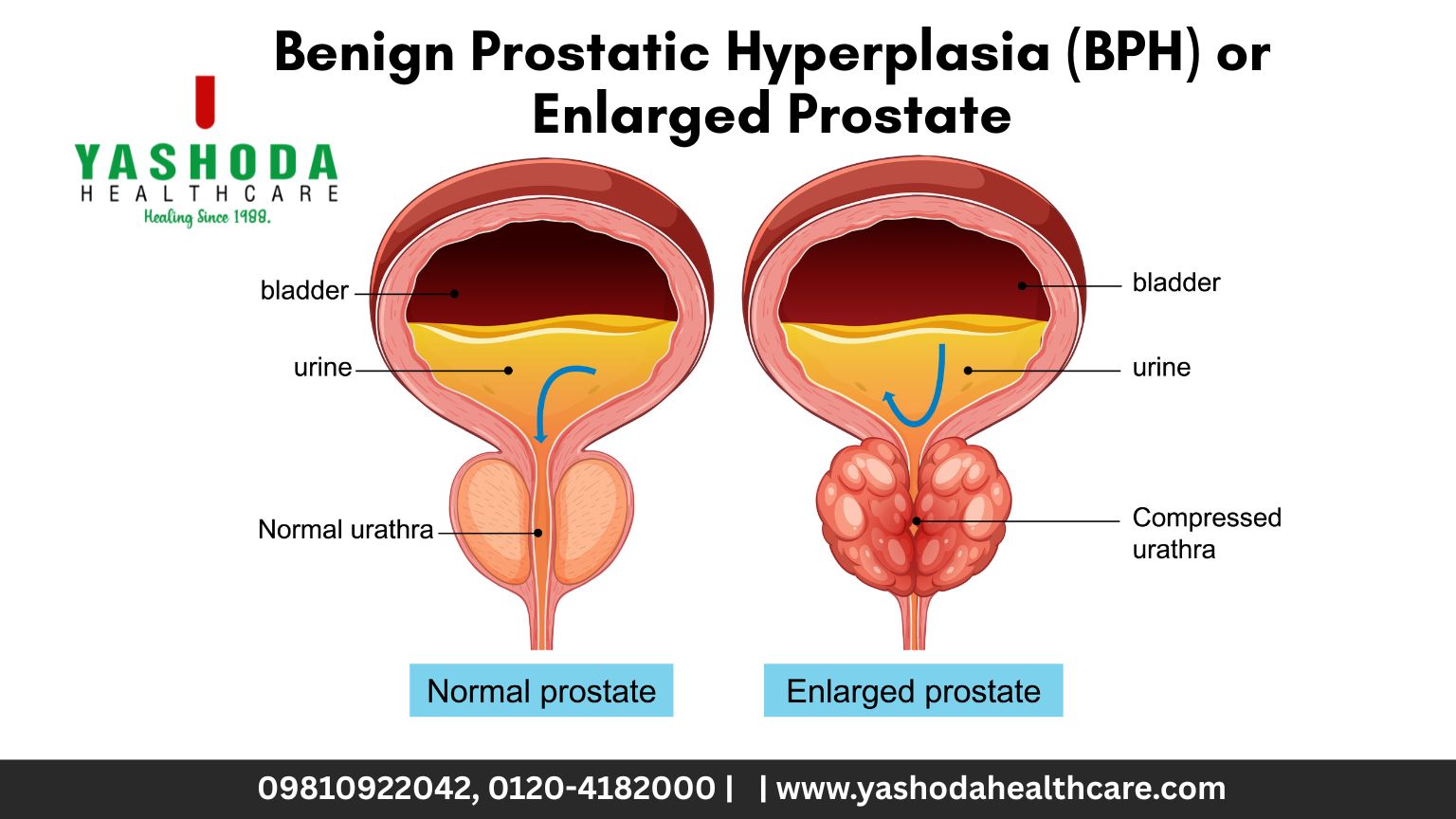
Benign Prostatic Hyperplasia (BPH) or Enlarged Prostate
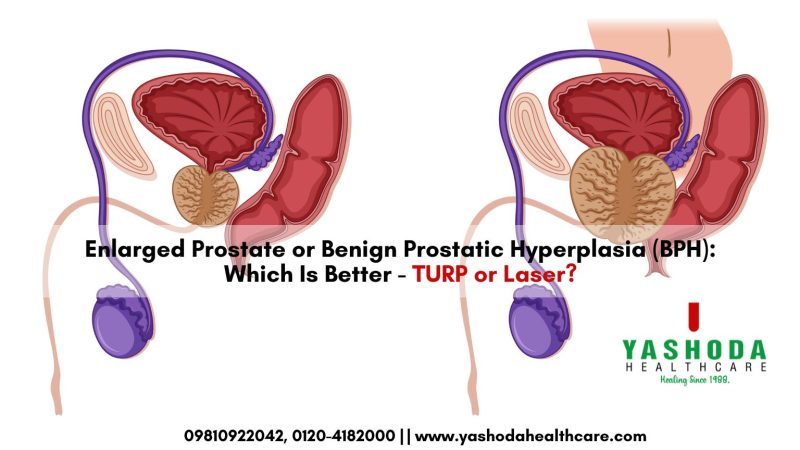
Benign Prostatic Hyperplasia (BPH) is a medical condition identified by the non-cancerous enlargement of the prostate gland in males. The prostate gland, located right below the bladder surrounding the urethra, provides nourishment to the sperms in males. As they get older, the gland increases in size. While common in nature, prostate enlargement can interfere with everyday life creating problems in urinating, bladder stones, bloody urine or even infections. Not pay attention to the condition can further lead to serious damage to the kidneys.
Reasons for Benign Prostatic Hyperplasia (BPH) or Enlarged Prostate
As men get older, the testosterone levels in their bodies begins to decrease, while at the same time the estrogen levels remain unchanged. This hormonal shift can cause the prostate cells to grow. Other causes can be the high levels of dihydrotestosterone (DHT) levels in males, a potent testosterone, which can cause the prostate to increase in size.
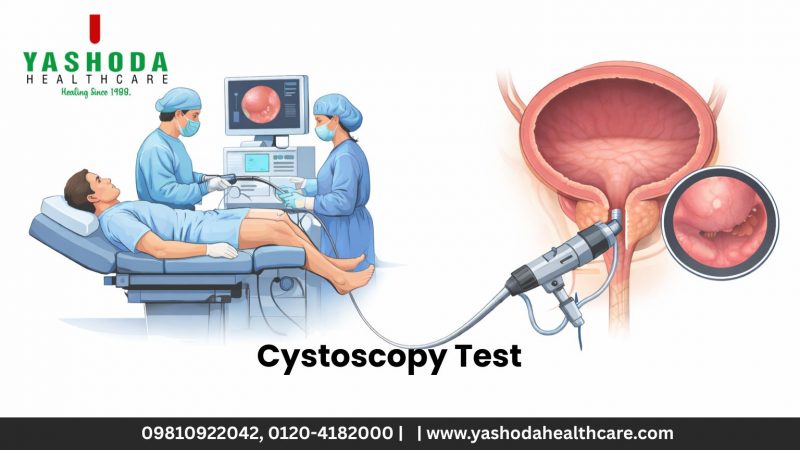
Treatment of enlarged prostate requires a thorough examination of the symptoms to study whether surgery is required or medicines and a watchful lifestyle can do the job. A digital rectal exam is also conducted to assess the prostate, estimate the size and eliminate any risks of cancer. A urinalysis to assess the urine sample can be advised, followed by a cystoscopy to monitor the inner lining of the urinary bladder.
When is Surgery for Benign Prostatic Hyperplasia (BPH) or Enlarged Prostate Required?
Surgery is recommended only if and when the symptoms related to enlarged prostate become severe like – acute urinary retention, recurrent UTIs, failed medical treatments, persistent blood in urine, kidney damage. If the prescribed medications fail to show any signs of improvement in the patient experiencing a distressed quality of life due to prostate enlargement, the urologist might suggest surgery.
Types of Surgery for Benign Prostatic Hyperplasia (BPH) or Enlarged Prostate
Surgery is advised to remove the prostate tissue blocking the urethra and causing other problems in the urinary system of the patient. These may include the following:
1. Transurethral Resection of the Prostate (TURP): In this, a resectoscope is inserted inside the urethra to allow the urologist to see and remove the prostate tissue.
2. Transurethral Incision of the Prostate (TUIP): In this, the urologist makes two small incisions in the urethra at the bladder neck (where the urethra and bladder join). This is done to widen the opening and improve urine flow.
3. Green Light Laser Treatment: Also known as Prostate Photovaporisation (PVP), this is a surgical method where a special laser is used to evaporate the enlarged prostate tissue.
4. Aquablation: It involves the use of precise and high-pressure jets of water to remove the prostate tissue.
5. Prostatic Urethral Lift: The enlarged prostatic lobes are separated to make the urethra wider, making it easier to urinate. In this, a special instrument is inserted inside the urethra, up to the prostate, wherein it ejects small implants that pull prostate lobes apart, making the urethral opening wider.
6. Rezum Therapy: In this, a needle is ejected into the prostate, which emits steam vapour that turns into water. The water’s thermal energy destroys the prostate cells causing it to shrink in size. The dead cells are further reabsorbed by the body.
Which surgery should the patient go for is unique to their condition, symptoms, physical examination and preference as per their conversation with their concerned urologist.
Best Hospital for Treatment of Benign Prostatic Hyperplasia (BPH) or Enlarged Prostate
Yashoda Hospital & Research Centre, Nehru Nagar, Ghaziabad, has the best urologists who offer a wide range of services to treat patients with all kinds of medications for BPH and surgeries such as TURP, TUIP, etc. required for the treatment of enlarged prostate.
Dr. Pradeep Prakash is one of the finest urologists and uro-oncologists with more than 16 years of experience in the field of urology. He specialises in performing minimally invasive robotic surgeries for prostate cancer, kidney cancer and bladder cancer along with kidney reconstruction surgery, kidney and ureteral stone removal, etc. with great precision and care.
Dr. Vikas Bansal is an expert with over a decade of experience in issues pertaining to stones in kidneys or bladder, UTIs, urine incontinence, as well as male infertility and erectile dysfunction.
Dr. Anuj Jain is a highly trained Consultant Urologist and Andrologist with extensive experience in managing a wide spectrum of urinary and male reproductive health conditions. For appointments/bookings, please contact us on our helpline number – 9810922042/0120-4182000.