Cystoscopy Test: Why It Is Done and What to Expect
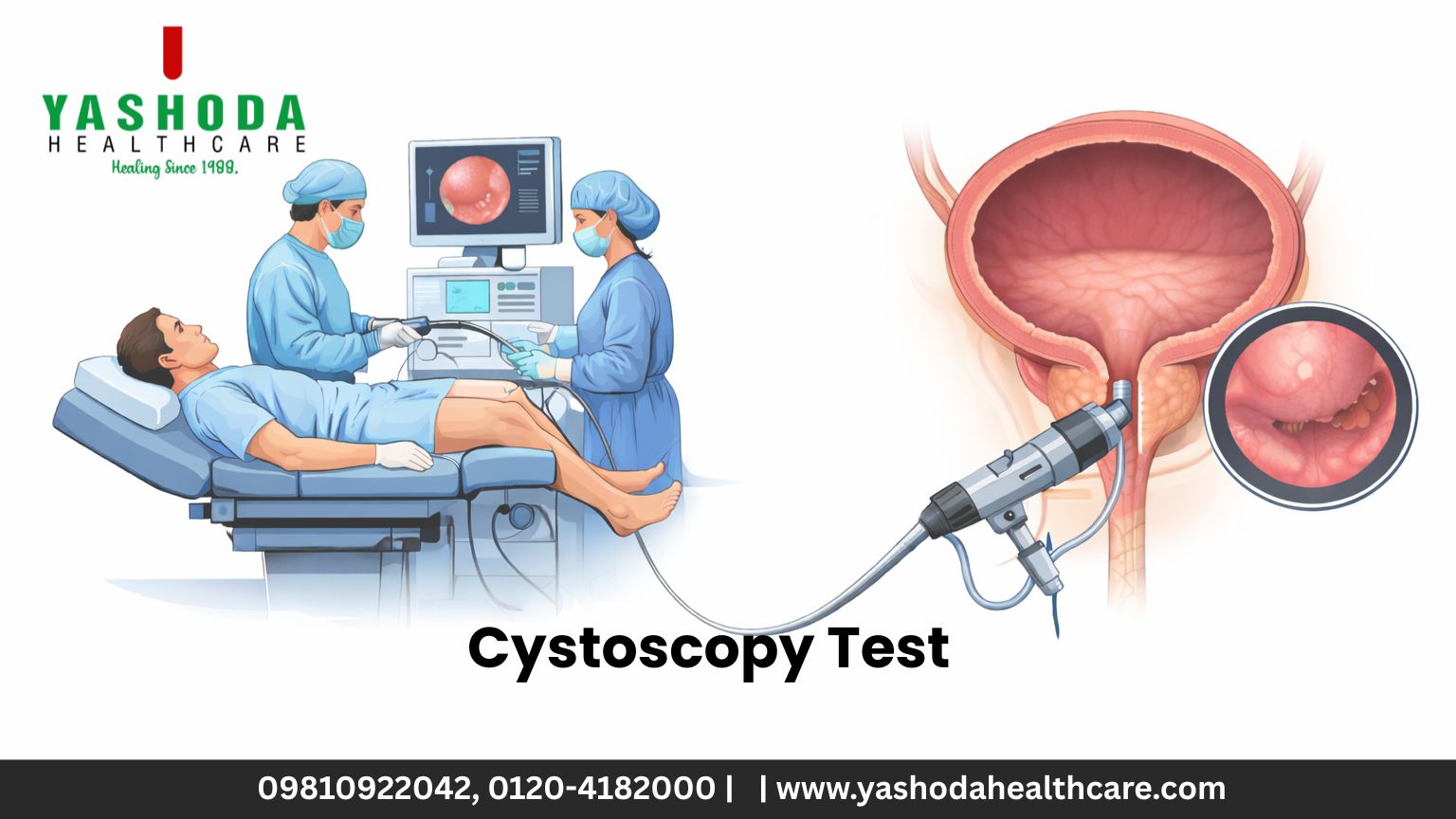
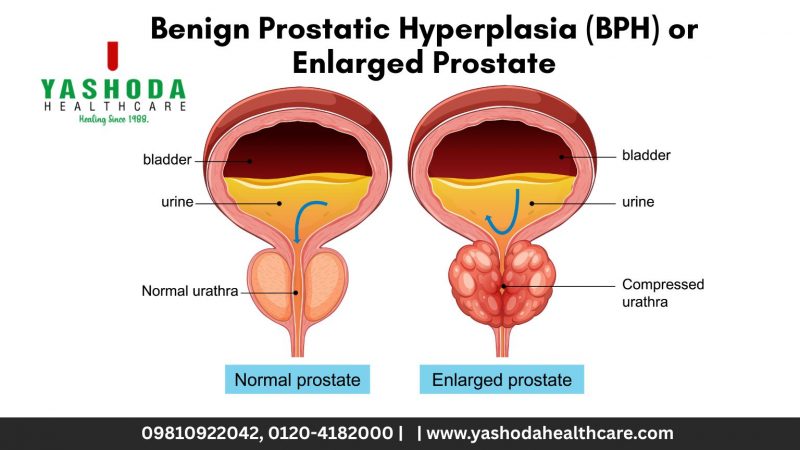
Cystoscopy is a medical procedure used to diagnose and treat urinary tract problems in patients. In this procedure, the urologist uses a tool (cystoscope) to view the insides of the bladder and the urethra. A cystoscope is a thin, lighted tube with a camera and lens. It is inserted in the urethra to reach the bladder and used to examine and assess problems: right from a urinary tract infection (UTI) to serious concerns like bladder cancer. It can also diagnose bladder stones, enlarged prostates, urethral strictures or interstitial cystitis.
Why Is Cystoscopy Done?
A urologist might recommend cystoscopy in case of recurrent infections, unexplained bleeding, persistent urinary symptoms or any kind of abnormalities discovered in the ultrasound. Hence, to determine the exact cause and lay down proper treatment plans, doctors may recommend cystoscopy.
What To Expect During Cystoscopy?
After a detailed consultation with a urologist on the symptoms, medical history or any existing allergies, the urologist may advise tests such as urinalysis, ultrasound or blood tests to further study the symptoms and problems. This is then followed by discussion on which type of anaesthesia should be used during the procedure.
Preparation begins by following basic dietary and fasting instructions, medications for BP or other supplements and reaching the hospital with a full bladder. The doctors must also be informed prior for any infections or case of pregnancy.
As the procedure begins, the patient lies down comfortably. A cleaning and numbing gel are then applied to the urethra, after which the cystoscope is gently inserted. Sterile fluid may be used to fill the bladder for better visibility. The urologist then examines the bladder linings on the screen. If needed, a biopsy or stone removal is performed as per the diagnosed condition.
Once the procedure is done, the patient might experience mild burning sensation or slightly pink urine or frequent urge to urinate. This is normal and passes over time. Doctors may recommend antibiotics, pain relievers and fluids to flush the bladder. With proper guidance, cystoscopy is one of the most effective ways to diagnose the urinary tract and bladder problems.
Best Hospital for Cystoscopy
Yashoda Hospital & Research Centre, Nehru Nagar, Ghaziabad, has the best urologists who offer a wide range of services to treat patients with all kinds of medications for urinary tract and bladder problems, and other surgeries such as Extracorporeal Shock Wave Lithotripsy (ESWL), Percutaneous Nephrolithotomy, Ureteroscopic Stone Removal, etc. required for the removal of stones related to the urinary tract.
Dr. Pradeep Prakash is one of the finest urologists and uro-oncologists with more than 16 years of experience in the field of urology. He specialises in performing minimally invasive robotic surgeries for prostate cancer, kidney cancer and bladder cancer along with kidney reconstruction surgery, kidney and ureteral stone removal, etc. with great precision and care.
Dr. Vikas Bansal is an expert with over a decade of experience in issues pertaining to stones in kidneys or bladder, UTIs, urine incontinence, as well as male infertility and erectile dysfunction.
Dr. Anuj Jain is a highly trained Consultant Urologist and Andrologist with extensive experience in managing a wide spectrum of urinary and male reproductive health conditions. For appointments/bookings, please contact us on our helpline number – 9810922042/0120-4182000.